• Overview
  • Personal Work
  • Commissions
  • Portfolios
    • Portrait
    • Travel
    • Food
    • Spaces
  • Info
  • Journal
  • Menu

Andrew Faulk

Photographing the people and traditions that reveal the deeper character of place. Tokyo-based editorial and commercial photographer specializing in travel, hospitality, and human-centered storytelling throughout Japan and beyond.
  • Overview
  • Personal Work
  • Commissions
  • Portfolios
    • Portrait
    • Travel
    • Food
    • Spaces
  • Info
  • Journal
Kyoto dry garden contemplation

Kyoto's Zen Gardens | Japan Travel Photography

October 03, 2024 in Travel Photography

During the final months of World War II, most urban areas in Japan were heavily bombed by the United States Air Force. Kyoto, however, remained largely untouched, making it a potential target for a nuclear attack. Despite this, Secretary of War Henry Stimson successfully convinced President Truman to remove Kyoto from the list of nuclear targets, sparing the city from destruction. While scholars debate Stimson’s motives—offering moralist, orthodox, and revisionist interpretations—the result was the preservation of Kyoto, Japan’s cultural capital.

Today, Kyoto is a magnet for tourists, who flock to its temples and cultural landmarks in awe of its beauty. Despite the issue of over-tourism, Kyoto provides moments of peace through its iconic dry gardens, or karesansui. Rooted in Zen traditions, these meticulously designed spaces offer visitors a glimpse into Japanese aesthetics and spirituality. The experience of exploring Kyoto's dry gardens is not just about appreciating their beauty; it’s a journey of self-reflection.

As a photographer based in Japan, I have visited Kyoto countless times for various publications. However, I had never been tasked with capturing the essence of these Zen gardens, often overlooked by the hordes of tourists on Honshu's well-trodden path. So, when The New York Times entrusted me with photographing Kyoto’s dry gardens and their caretakers for a travel editorial, I felt deeply honored to showcase these timeless spaces to a broader audience.

Kyoto's dry gardens date back to the Muromachi period, when Zen Buddhism played a significant role in shaping Japanese culture. These gardens, embodying Zen principles, emphasize harmony and impermanence with their minimalist designs. Using only essential elements like rocks and gravel, they invite visitors to enter a space of contemplation and ancient wisdom.

At the heart of these gardens is the Zen belief that simplicity can lead to enlightenment. Their serene, unadorned beauty captures the transient nature of life, encouraging visitors to find peace in the present moment. Walking through the gravel and stone paths allows one to let go of worldly concerns and appreciate the profound beauty of simplicity.

While Kyoto's dry gardens stand out for their historical and aesthetic significance, their meaning and symbology seeps beyond the surface of their appearance. The garden at Ryoan-ji Temple, with its arrangement of fifteen stones set in white gravel, fascinates visitors and inspires introspection. Similarly, Daisen-in Temple’s "Sea of Suffering" garden reflects the human condition and the path to enlightenment. Regardless of their gestalt nature, each element of Kyoto’s dry gardens holds symbolic meaning. Rocks represent mountains, islands, or spiritual beings, while raked gravel symbolizes water or waves, reflecting the cyclical nature of life. Together, they form a harmonious scene that invites deep contemplation on life’s mysteries.

Amid Kyoto’s bustling cityscape, its dry gardens remain oases of peace and reflection. These spaces blend beauty with spirituality, simplicity and wisdom. Here, visitors are invited to explore the deeper aspects of existence, not just take selfies.

Read the full piece in The New York Times here.


couple at Kyoto rock garden in traditional clothing
Marc Keene, Kyoto landscape architect
Temple facade in Kyoto
Kyoto, Japan zen garden during autumn.
Visitor enters a dry garden in Kyoto, Japan
Entrance to a Kyoto dry garden
Kyoto Zen garden
Kyoto dry garden visitors
Kyoto roof tile detail

More Photography From Japan

Kyoto as seen from Kiyomizudera

Kyoto Wants You Back

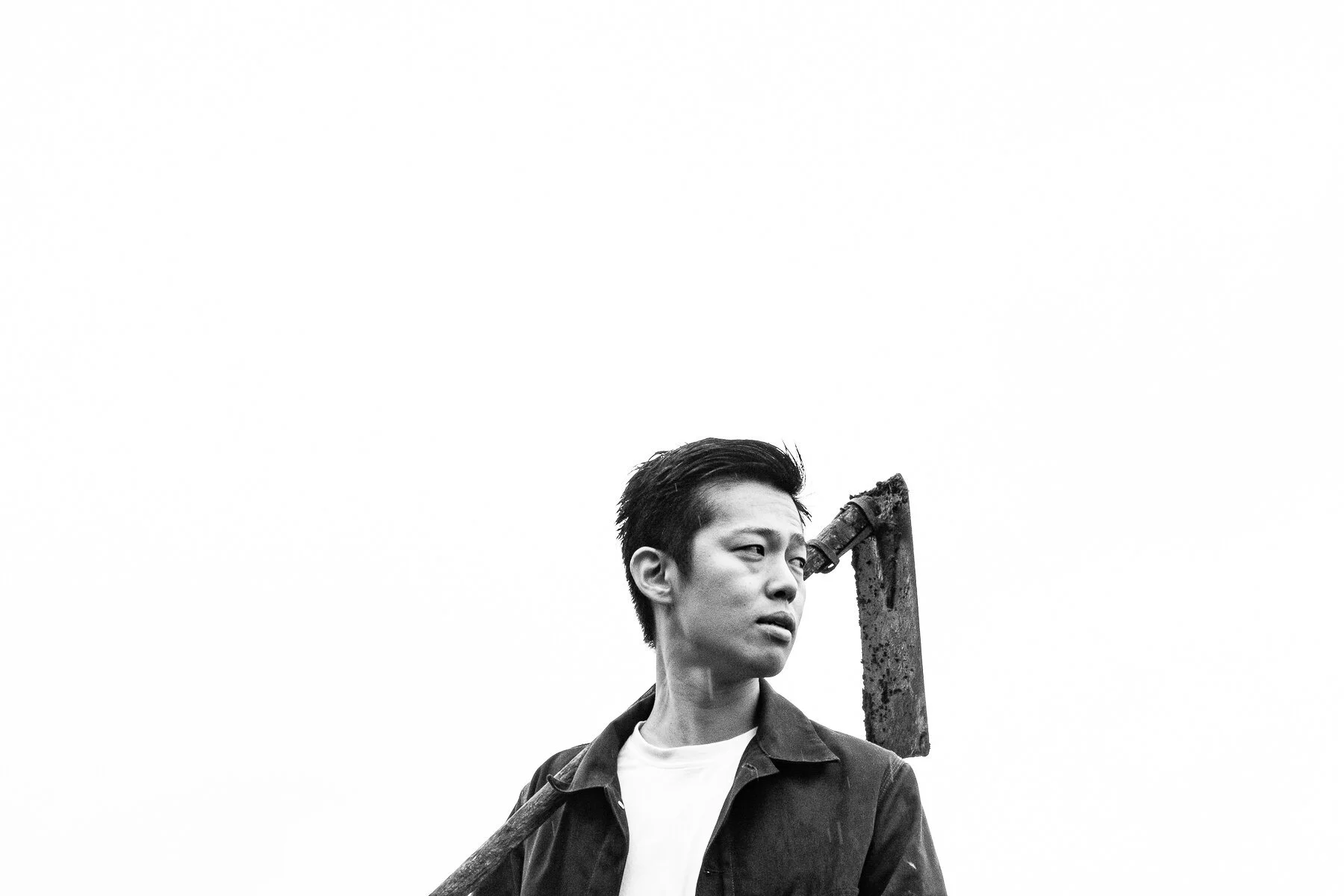
Naoyuki Arai with garden tool

Japan's Kitchen Gardens

Graduates in hakama in front of Tokyo, Station

36 Hours in Tokyo, Japan

Tags: New York Times, Kyoto, Japan Travel
Comment

Hideaki Itsuno | Japan Portrait Photographer

June 20, 2024 in Editorial Photography

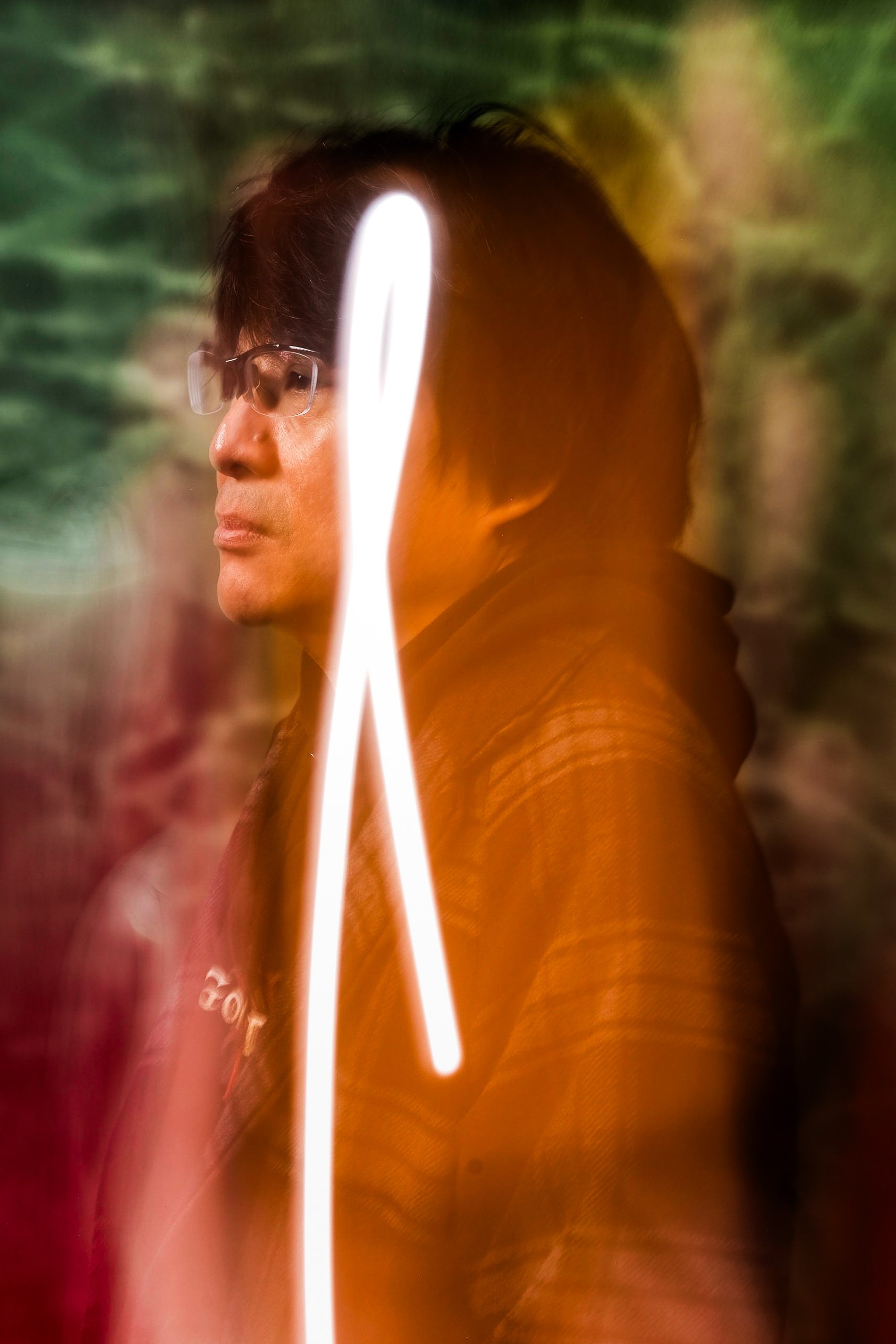
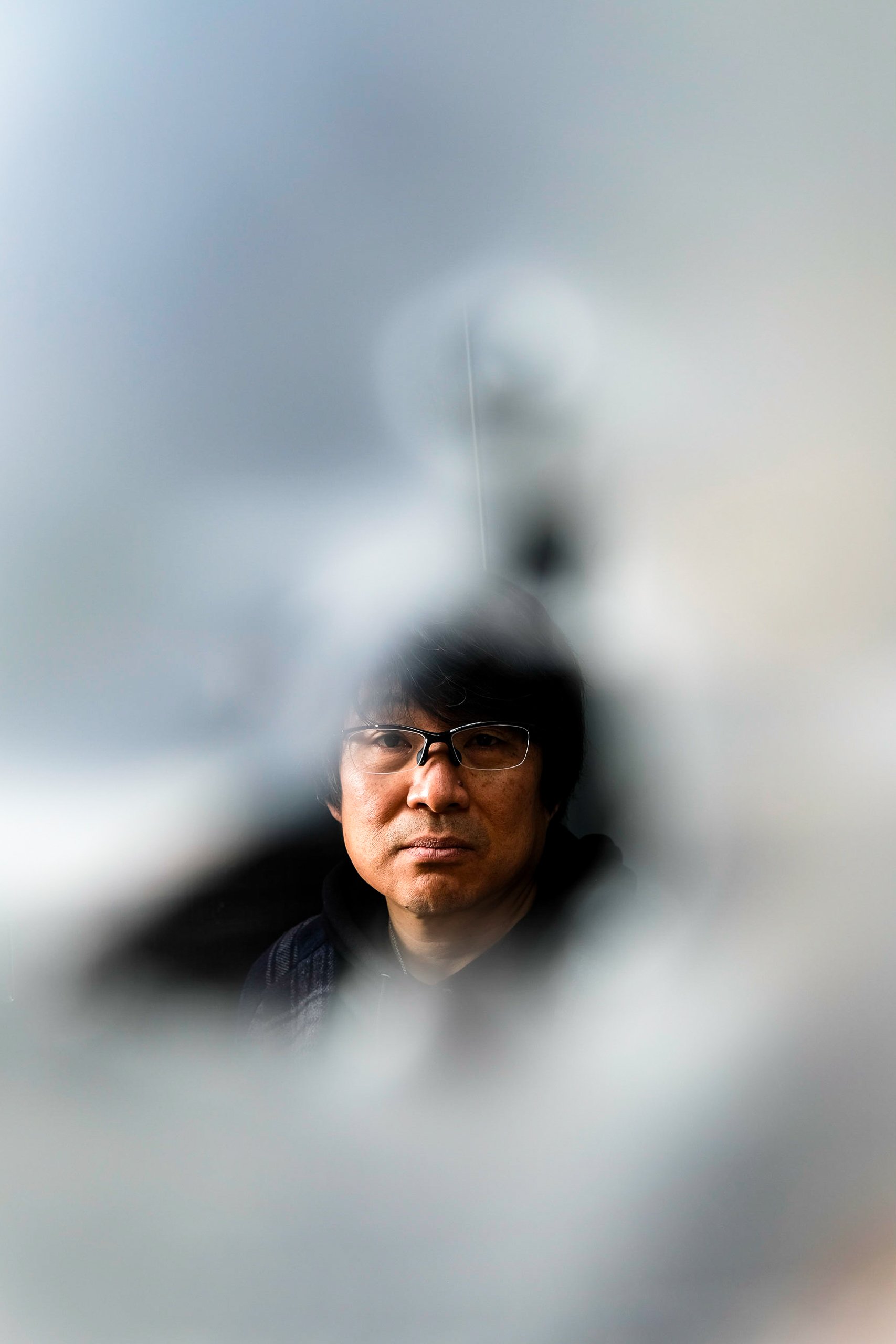
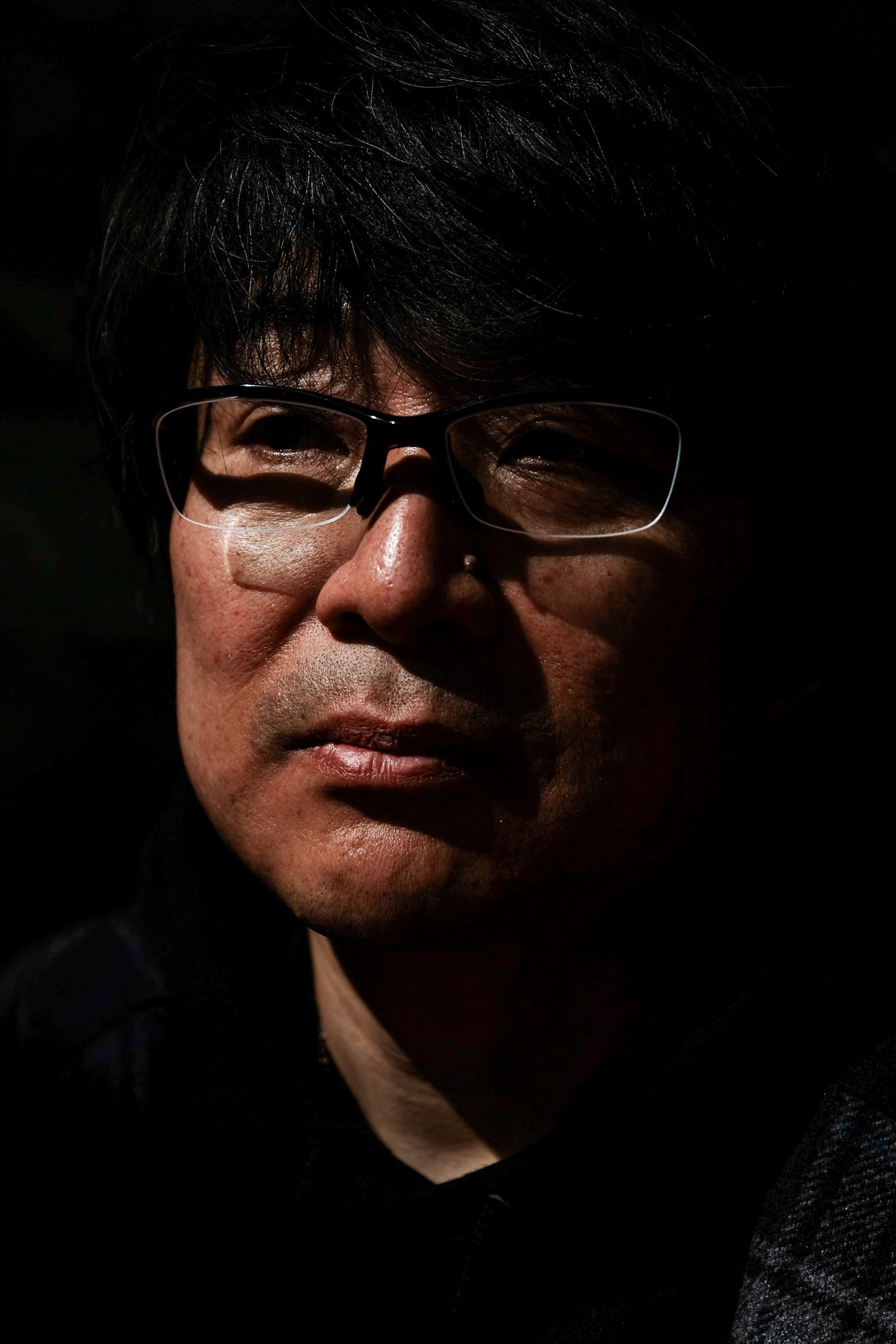
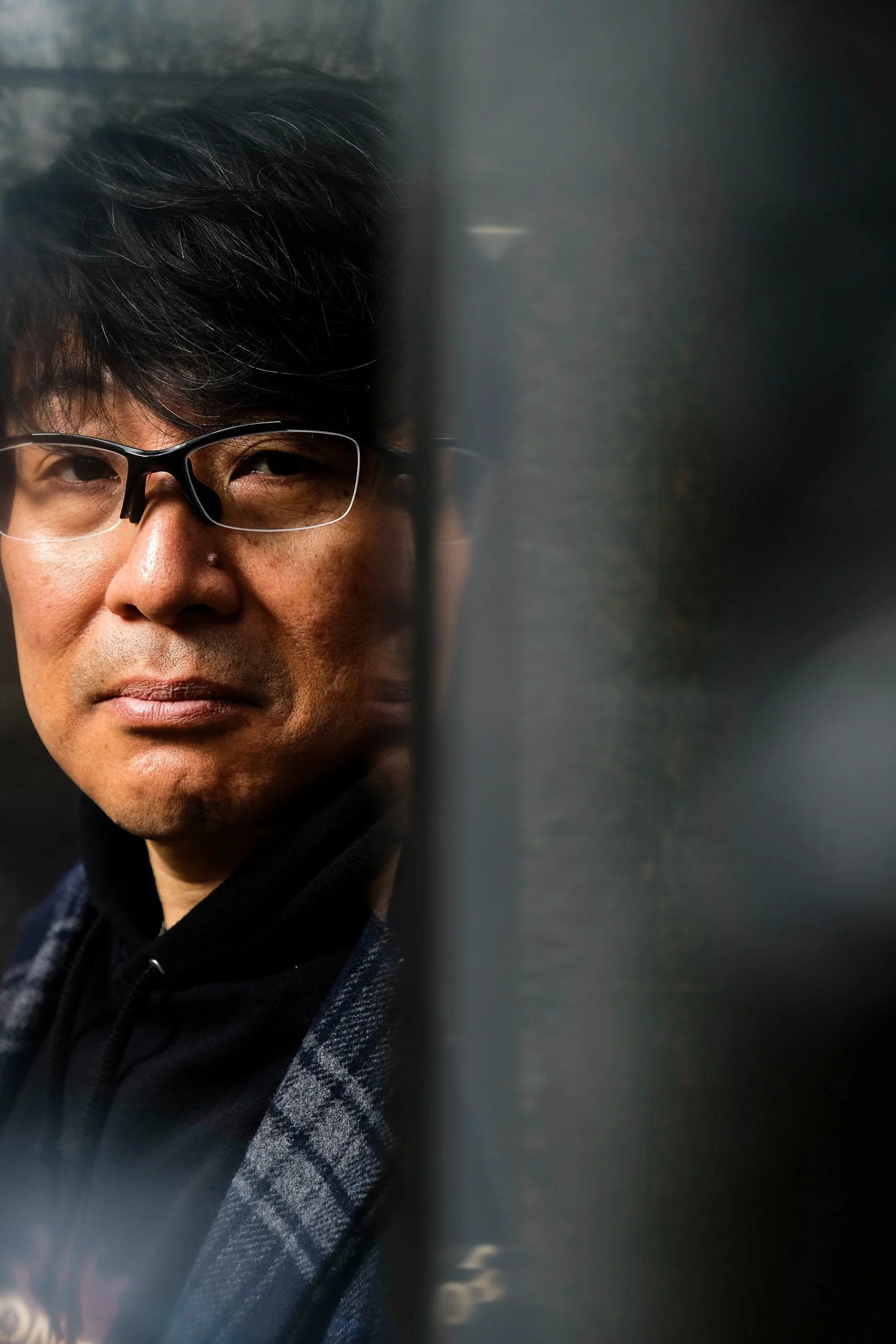
Would I be interested in traveling to Osaka to photograph Hideaki Itsuno for The New York Times? A slight chuckle escaped me as I reread the the email. Typically, I let photography assignments linger in my inbox for a couple of hours before responding (It's important to ensure I'm the right fit for the task before communicating with an editor or commissioning director). Yet, as a portrait photographer based in Japan, this was an opportunity to photograph a legend. This request warranted an immediate reply; as a gamer myself, it was a unique opportunity I couldn't pass.

Hideaki Itsuno, a distinguished Japanese video game director and designer, has left an indelible mark on Capcom. Renowned for his contributions to action games, his career boasts numerous iconic titles that showcase his distinct style and profound grasp of game mechanics. Throughout his journey, Itsuno has been celebrated for his innovative approach to established genres, crafting games that seamlessly blend challenging gameplay, compelling narratives, and unforgettable characters.

Itsuno's directorial prowess first gained attention with Street Fighter Alpha in 1995, where he made significant strides in the fighting game genre. However, it was with the Devil May Cry series that Itsuno garnered global recognition for his contributions. This series, characterized by its distinct, dark, stylish aesthetic and intricate combat mechanics, established him as an icon within Capcom. Key entries like Devil May Cry 3: Dante's Awakening (2005) set new standards in gameplay and storytelling for action games, influencing the genre for years to come.

However, Itsuno's tenure at Capcom isn’t solely defined by the Devil May Cry series. He also directed "Dragon's Dogma," showcasing his talent for expansive worlds and engaging gameplay systems. It was the impending release of the Dragon’s Dogma sequel that brought me to Osaka for The New York Times. With Dragon’s Dogma 2 on the horizon, I was granted the opportunity to spend an hour with the legendary game maker, capturing portraits and gaining firsthand insights into what awaited me as both a gamer at Hideaki Itsuno fan. Even if it was only a single day of work as a photographer in Japan, it was a dream assignment—a perfect intersection of my passions.

Read the full piece directly from The New York Times.

Hideaki Itsuno at Capcom Headquarters in Osaka, Japan
 Portrait of Hideaki Itsuno outside of Capcom Headquarters in Osaka, Japan.
 Portrait of Hideaki Itsuno outside of Capcom Headquarters in Osaka, Japan.
 Portrait of Hideaki Itsuno outside of Capcom Headquarters in Osaka, Japan.
 Portrait of Hideaki Itsuno outside of Capcom Headquarters in Osaka, Japan.
 Portrait of Hideaki Itsuno outside of Capcom Headquarters in Osaka, Japan.
 Portrait of Hideaki Itsuno outside of Capcom Headquarters in Osaka, Japan.
 Portrait of Hideaki Itsuno outside of Capcom Headquarters in Osaka, Japan.
 Portrait of Hideaki Itsuno outside of Capcom Headquarters in Osaka, Japan.

More Editorial Photography

Ayana Misawa smells Japanese koshu

Japanese Koshu

aerial view of rock hewn church in Lalibela, Ethiopia

Lalibela Pilgrims

Mikimoto Akoya pearls

Mikimoto Pearls

Tags: Portrait, New York Times
Comment
Mikimoto akoya pearls

Mikimoto Pearls | Japan Documentary Photographer

June 17, 2024 in Brand Narrative, Documentary

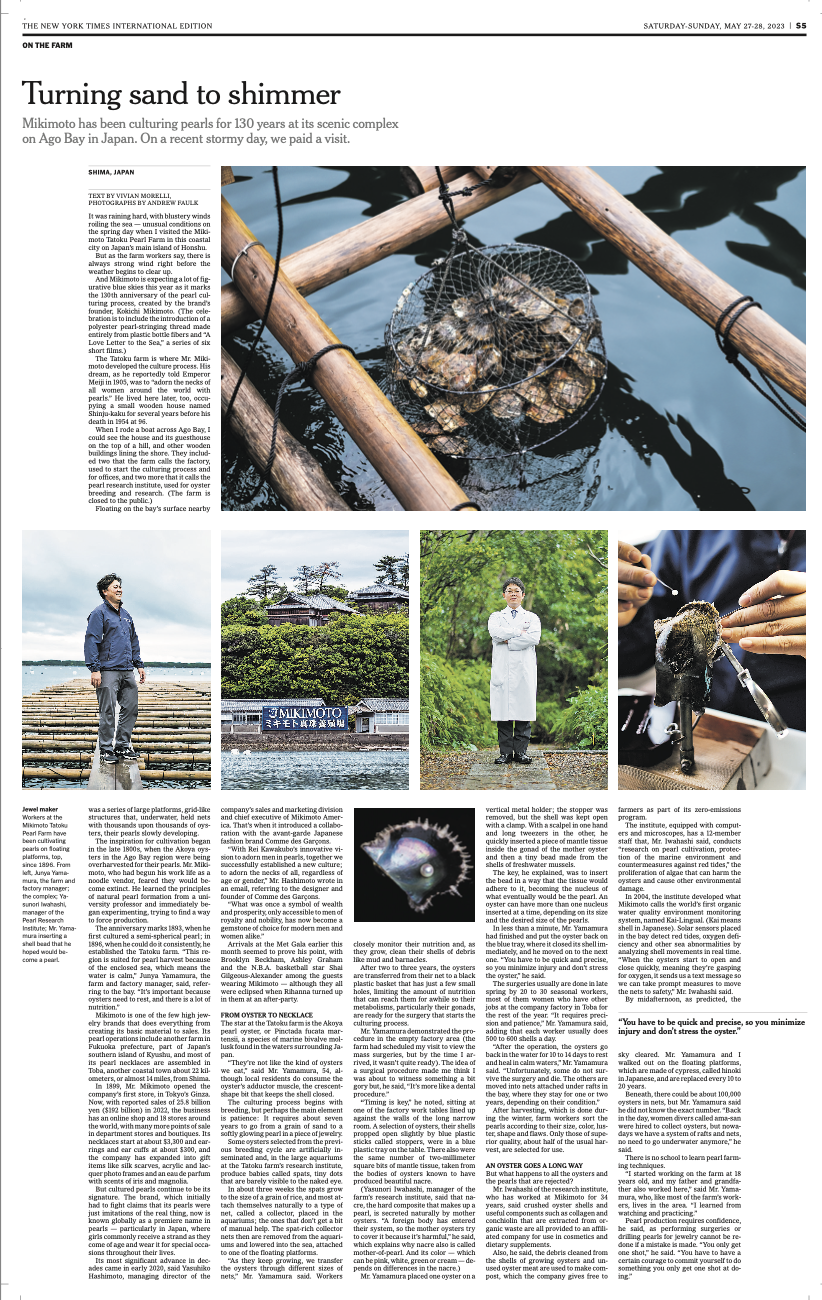
In the heart of Japan the tranquil waters of Ago Bay lap against the shore. Here a harmony between tradition and innovation flourishes. In a space where art intersects with nature, a sacred dance between man and mollusk yields one of the most coveted treasures of the sea: the Mikimoto Akoya pearl. My editorial assignment from The New York Times was to photograph the cultivation process and the tradition of one of the world’s most iconic pieces of jewelry.

Kokichi Mikimoto, the pioneer of cultured pearls, discovered a secret hidden in the oyster beds. In the late 1800’s, Mikimoto achieved an alchemy of sorts, a process that would transform a mere grain of sand into a shimmering orb. With reverence for nature's wisdom and a desire to bring beauty to the world, Mikimoto discovery would eventually change the landscape of the jewelry industry.

130 years later artisans, much like Zen masters, continue Mikimoto’s work. Using a precise process called grafting, craftsmen carefully insert a tiny piece of tissue into a living oyster, prompting the oyster to coat it in layers of nacre over several years. Patience is key in this process, reflecting both Mikimoto’s attitude as well as the Japanese spirit. Each pearl grows slowly over years, and it is this respect for time gives Mikimoto pearls their unique elegance.

During my time at Mikimoto’s Pearl Farm, I was able to learn about and photograph the entire process of a pearl. More, I was able make portraits of the scientists and artisans responsible for cultivating the brand’s signature pieces. But it wasn’t until the very end of my day as an editorial photographer that I found a deeper significance in my subject.

Holding several pearls in my hand, I could see how the Akoya pearl’s luminescence mirrored the calm of the nearby Ago Bay. Rolling a small specimen in my palm, I realized that Mikimoto pearls are more than serene jewels; they symbolize a collaboration between humans and nature. The pearls reminded me of the rewards of patience and respect for nature's beauty. By cultivating these gems, Mikimoto highlights our connection to the natural world and encourages a more harmonious relationship with it.

In a world focused on instant gratification and mass production, Mikimoto’s process shows that true beauty takes time, dedication, and an understanding of nature's rhythms. As technology advances rapidly, the cultivation of Akoya pearls will continue to showcase the timeless appeal of natural art and the magic of human touch.

Mikimoto oyster rafts
Anatomy of an a pearl oyster poster
Shima, Japan shoreline
pearl cultivation surgery tools
Junya Yamamura standing on rafts
Pearl oysters
Mikimoto pearl oysters
Mikimoto Pearl Farm exterior

Read the full feature in The New York Times here.
Lead image of Mikimoto pearl cultivation on The New York Times

More Japan Photography for The New York Times

Skier on chairlift in Niseko, Hokkaido

36 Hours in Niseko | Japan Travel Photographer

Kyoto torii gates at Fushimi Inari

Kyoto Wants You Back | Japan Photographer

Tokyo boaters under sakura

36 Hours In Tokyo, Japan | New York Times Travel Photography

Tags: New York Times, Japan, Jewelry
Comment

Postcard | NY, New York

May 16, 2024 in Travel Photography

The rain came down, adding to what was already a melancholy morning. I hopped on a ferry bound for the Statue of Liberty. The boat bounced across the harbor, choppy waters sloshing against its slides. From the deck, I peered at the statue through a veil of rain. She stood solitary, enigmatic against the backdrop of the city.

As the ferry drew nearer, I found myself grappling with conflicting emotions. The iconic monument, once a symbol of freedom and hope, seemed to embody a sense of ambiguity and disillusionment. Lady Liberty appeared to feel distant and inscrutable, her original message shrouded in both rain and uncertainty.

The ferry continued, carrying me away from the statue. Still, I couldn't shake the doubts in my mind. Had the promise of freedom, once so boldly proclaimed, completely shriveled?

In the rain-swept harbor, I found myself questioning the idea of liberty itself. Is it a facade, a relic of a bygone era? Does the idea still hold the power to inspire and uplift? The iconic symbol became increasingly obscured by the rain and clouds and I was left with nothing but questions about the complexities of freedom in our uncertain world.


More Travel Photography Postcards

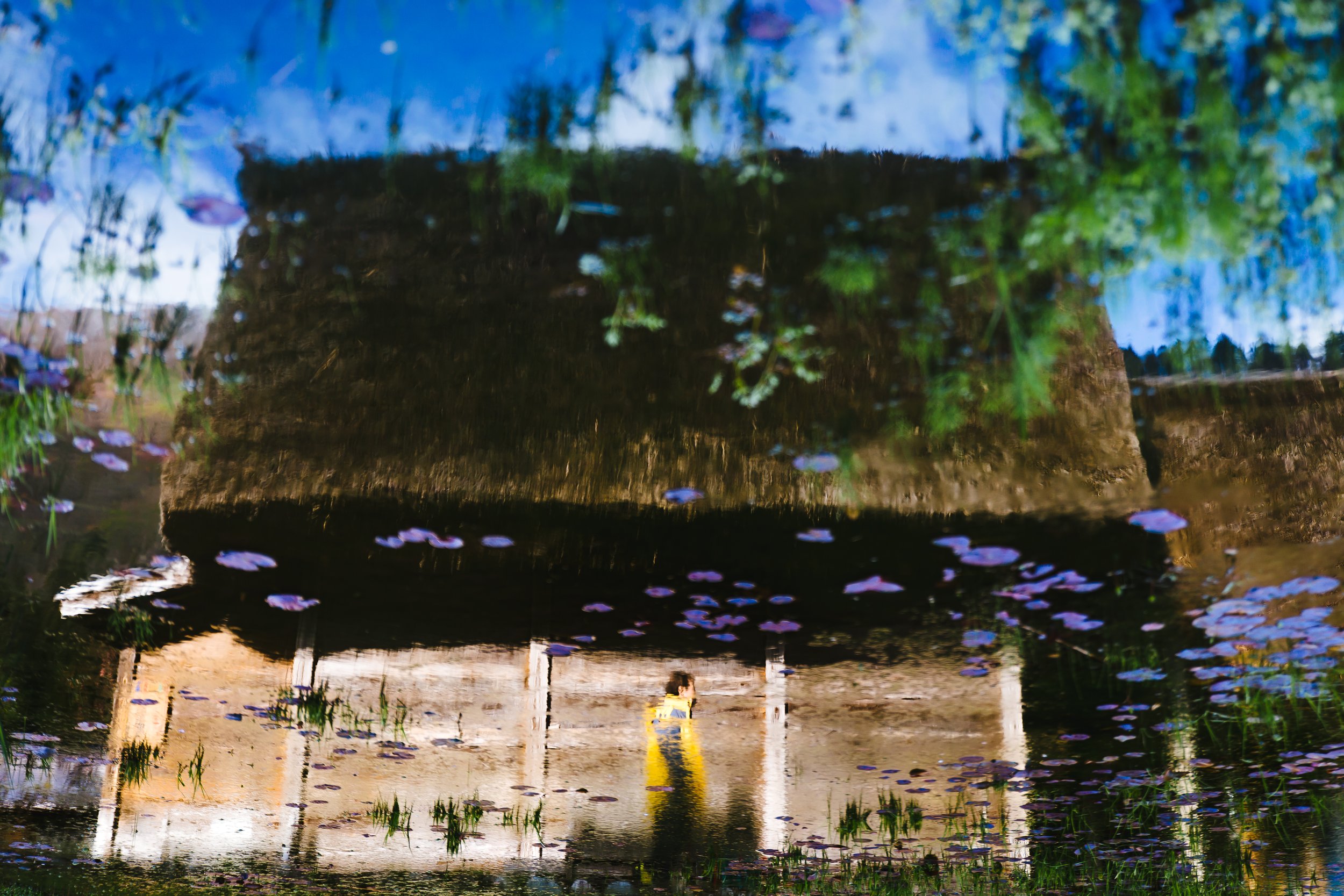
Postcard | Shirakawago, Japan

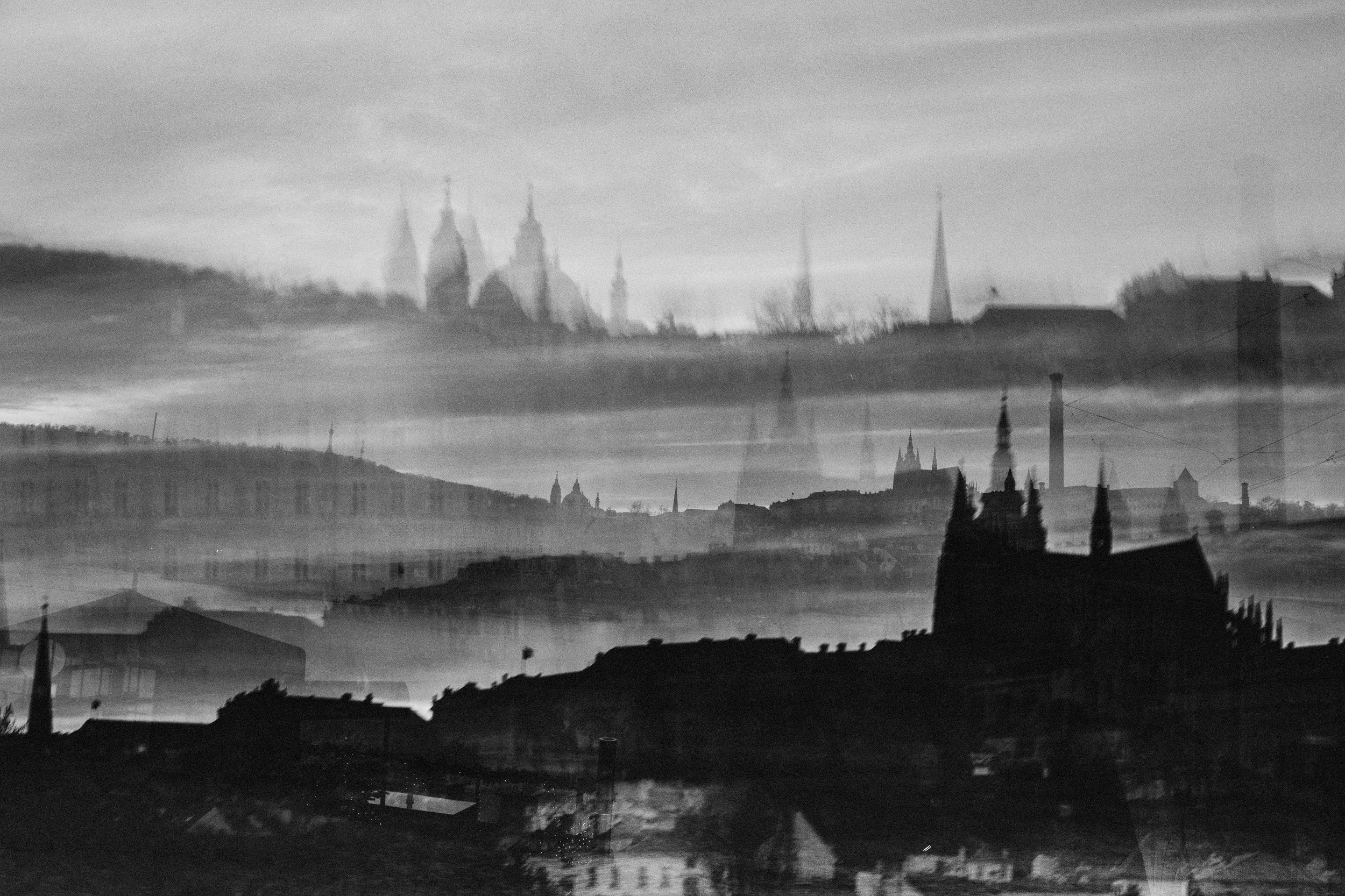
Postcard | Prague, Czech Republic

Postcard | Akihabra (Tokyo, Japan)

Tags: Postcard, New York
Comment
Katsunuma-Jozo-Winery.jpg

Japanese Koshu | Tokyo Editorial Photographer

May 14, 2023 in Editorial Photography

The Koshu Valley is a verdant and peaceful landscape that exudes the essence of Japanese aesthetics. Though close to Tokyo, the Koshu landscape is nestled amidst rolling hills and towering mountains. It is here, within this lush valley that we find the home of the Koshu grape, the foundation of the Koshu wine and, perhaps, Japan's best-kept secret.

Arriving in the city of Katsunuma in the early morning, I was struck by the area’s environmental beauty and was grateful that my travel photography assignment for Hemispheres, United Airlines’ inflight magazine, had taken me to such a calm and serene place.

The mountains of Yamanashi Prefecture shield the valley from harsh winds and inclement weather, fostering a microclimate that is perfect for cultivating grapes. The soil is also ideal for grape cultivation, delivering the right blend of minerals and nutrients. The Koshu grape is delicate but adaptable. The grape's thin skin renders it vulnerable to damage, but its thick skin protects it from the valley's abrupt weather changes and harsh climate. The grape is harvested by hand, painstakingly selected, and then transported to the wineries to guarantee that the wine produced is of the highest caliber.

The vineyards in the Koshu Valley are a sight of their own. Rows of grapevines stretch out as far as the eye can see, arranged in perfect harmony with the natural contours of the land. The vineyards are carefully tended, with each grapevine trimmed and trained to optimize its yield and flavor.

The wineries in the Koshu Valley are an integral element of the landscape, ingrained with the valley's natural environment. They are designed in accordance with traditional Japanese architectural styles and materials, blending harmoniously into the surrounding countryside. The wineries provide visitors with a wide range of experiences, from tours of the vineyards to tastings of the different varieties of Koshu wine.

The Koshu Valley is an idyllic and scenic landscape that epitomizes the Japanese aesthetic. The valley's vineyards, wineries, and natural wonders all merge flawlessly into the landscape, establishing a harmonious and balanced environment. Visiting the Koshu Valley is a chance to immerse oneself in the beauty of Japan, savor the delicate and elegant Koshu wine, and embrace the natural wonders of the valley.

Want to learn more about Japanese koshu? Read the full article here.

Aerial view of a gentle stream in the Koshu Valley (Katsunuma, Japan).
Katsunuma-Fall
Ayana-Misawa-Portrait.jpg
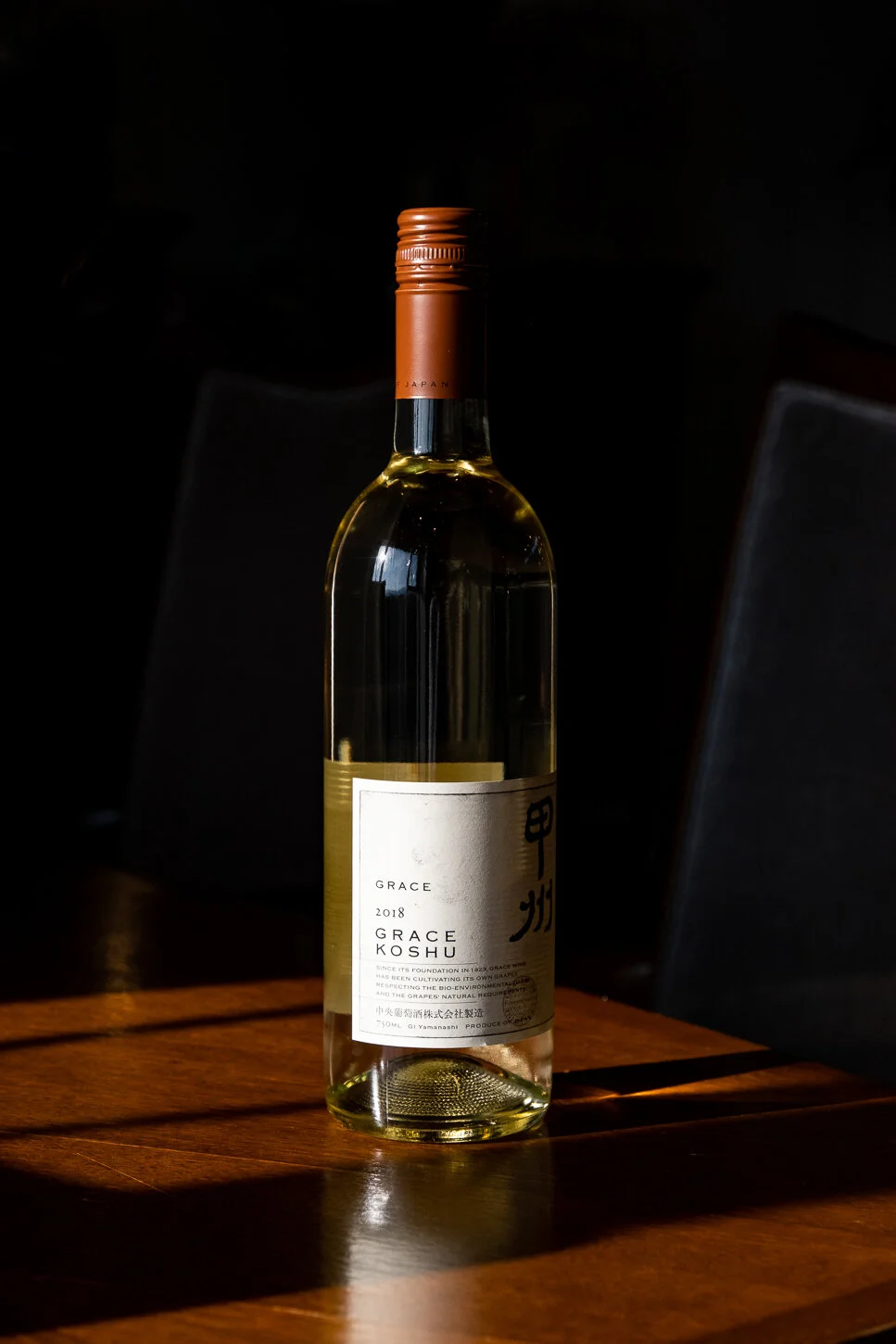
Grace-Winery-koshu.jpg
Katsunuma-Jozo-Wine-Bottles
Katsunuma Jozo Winery Koshu barrels.

More Food & Beverage Photography

Luxury cocktail - Four Seasons Japan

Food & Beverage Photography Portfolio | Tokyo Photographer

Dishes at Tokyo's Itosho restaurant

Itosho’s Shojin Ryori | Tokyo Food Photographer

Hids Bar & Cafe Takayama | F&B Photography

Tags: Japan, Food & Beverage
Comment
Prev / Next

Andrew Faulk

Andrew Faulk is a Tokyo-based editorial, travel, and commercial photographer working throughout Japan, Asia, and beyond. Drawn to the people who shape a place's character, his work explores the intersection of culture, travel, food, and hospitality. Andrew is available for editorial and commercial photography assignments worldwide. He is a father, husband, educator, heavy metal enthusiast, and makes the best mashed potatoes in the world.

No results found