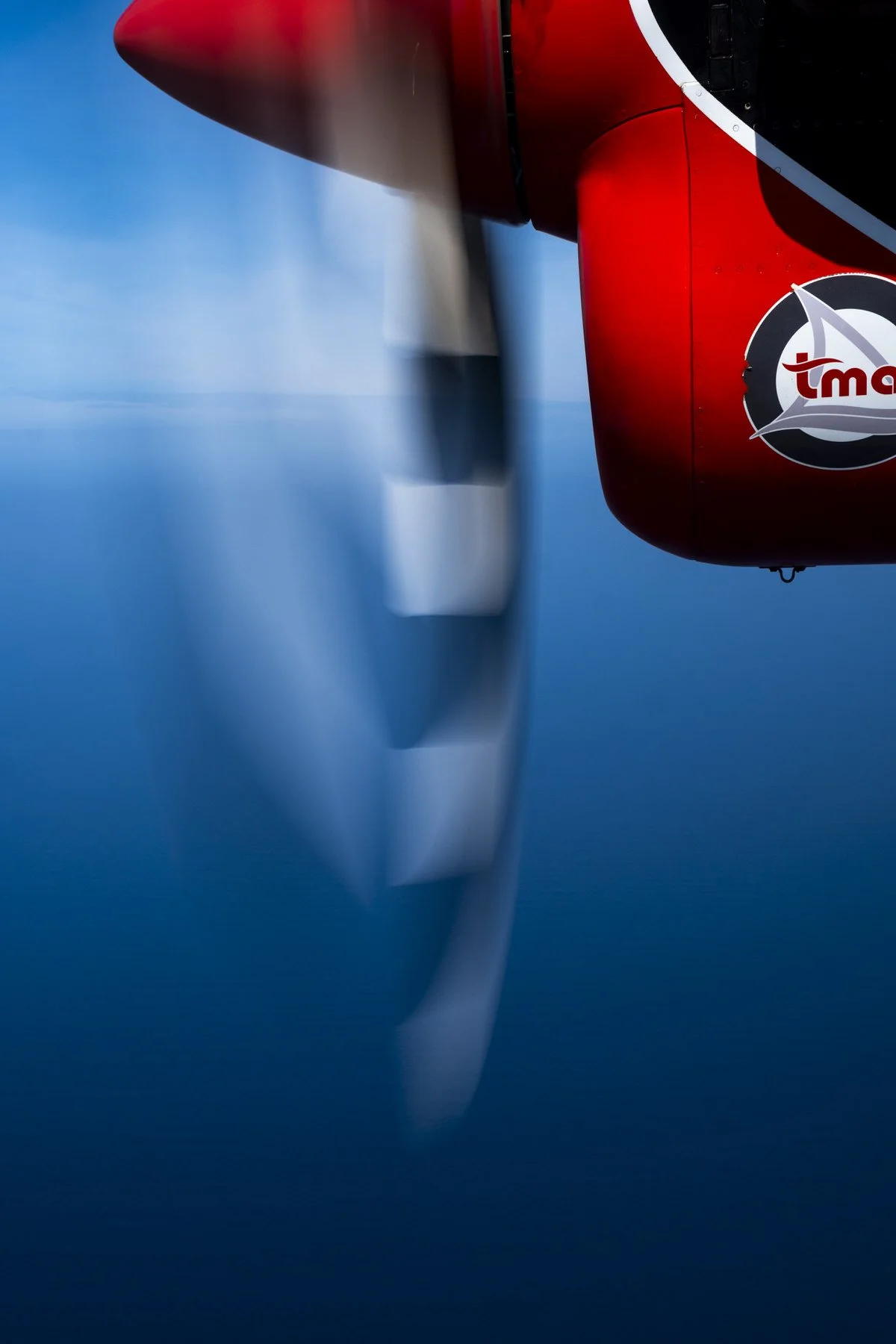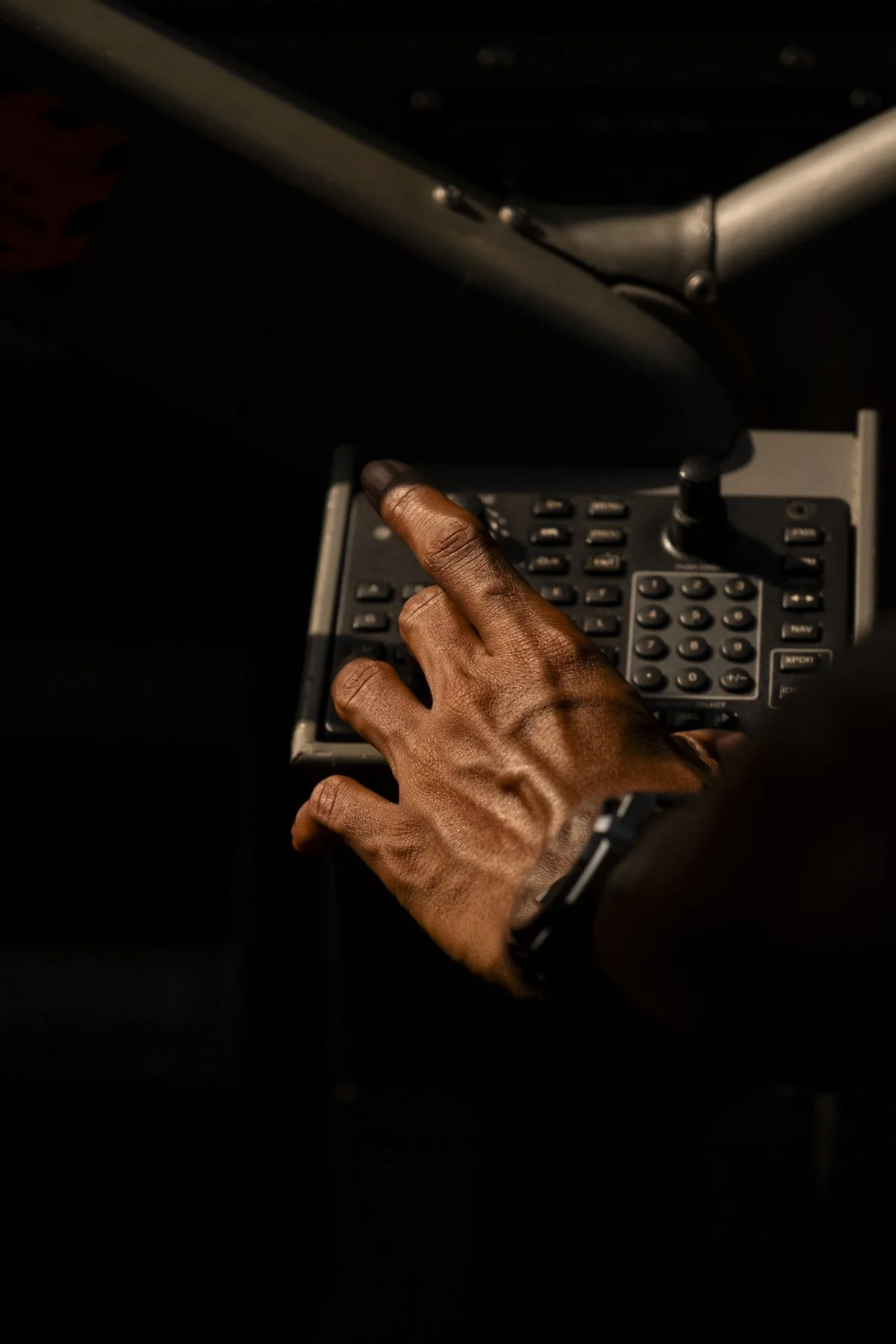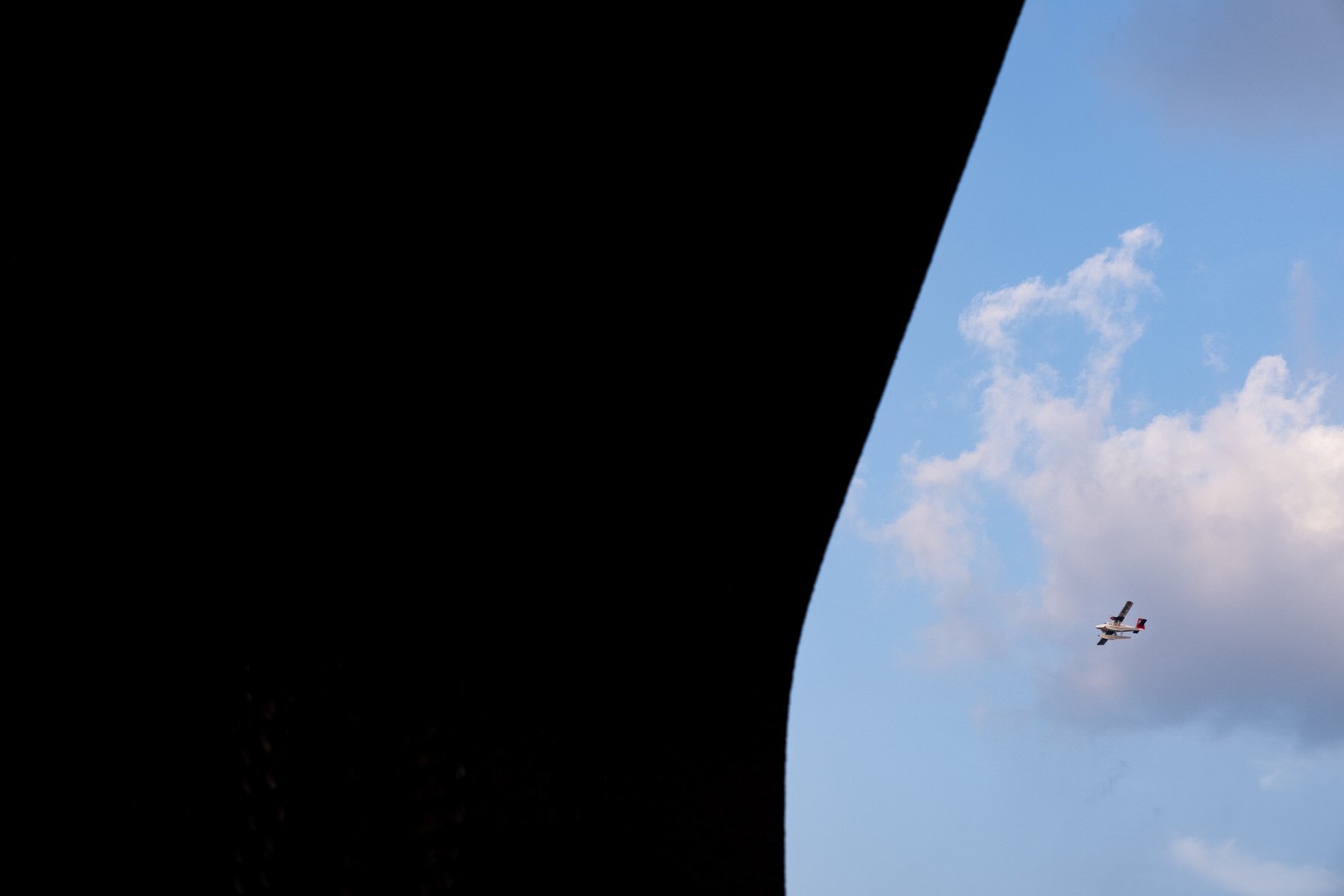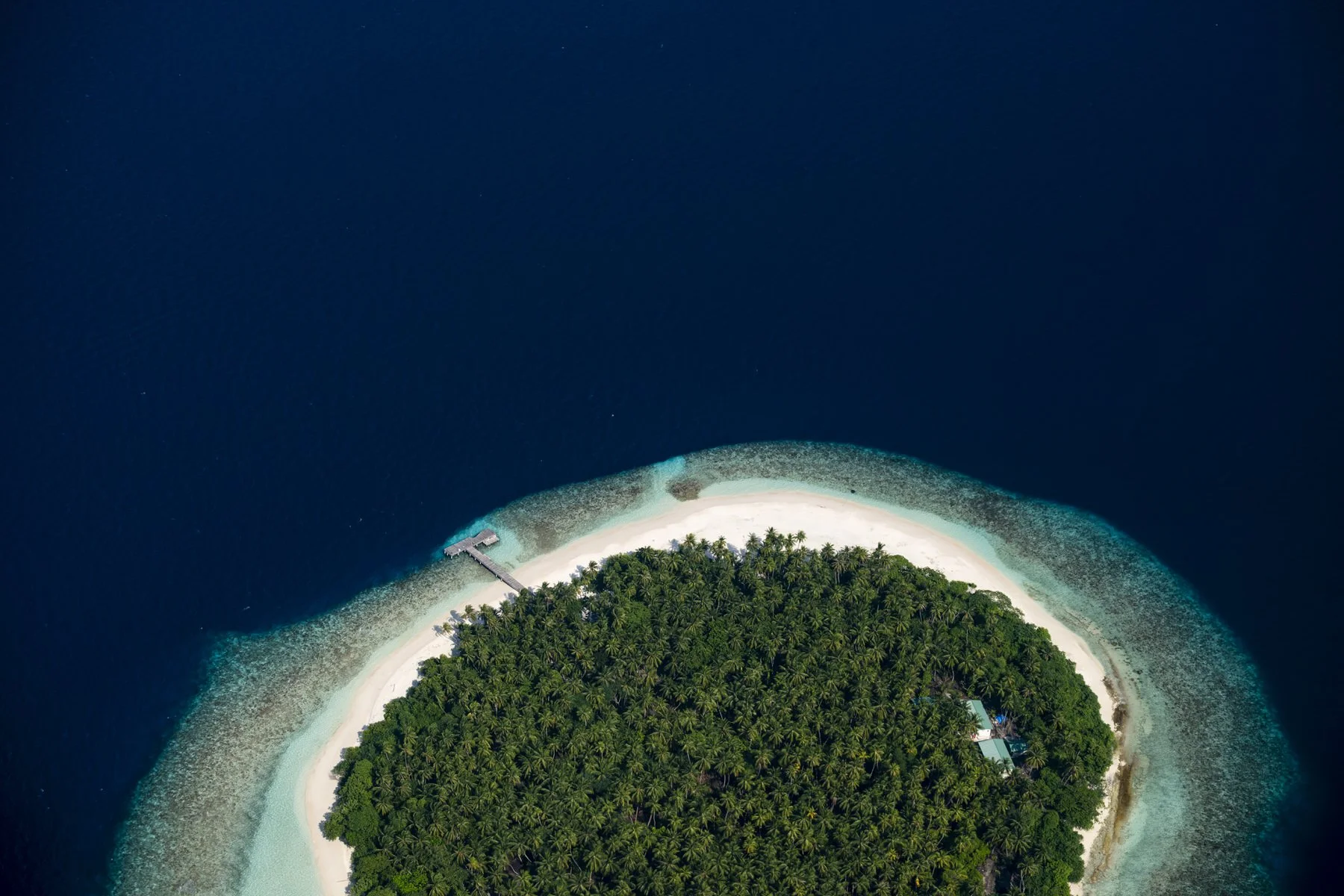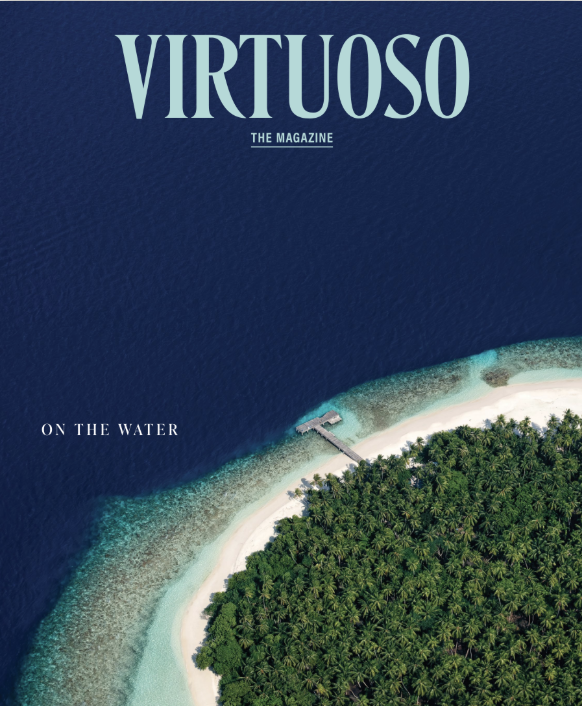
Photographing the Maldives for the cover of Virtuoso, The Magazine mostly involved me squinting suspiciously at the horizon and wondering if the ocean was broken. Everything seemed to operate on a color palette that felt irresponsible. The water changed shades every few seconds. Cobalt. Turquoise. A color that could only be described as “sports drink blue.” My brain refused to accept that any of it was natural. That was my first impression of the Maldives. It looked less like a geographic location and more like someone had designed a luxury screensaver and accidentally made it a country.
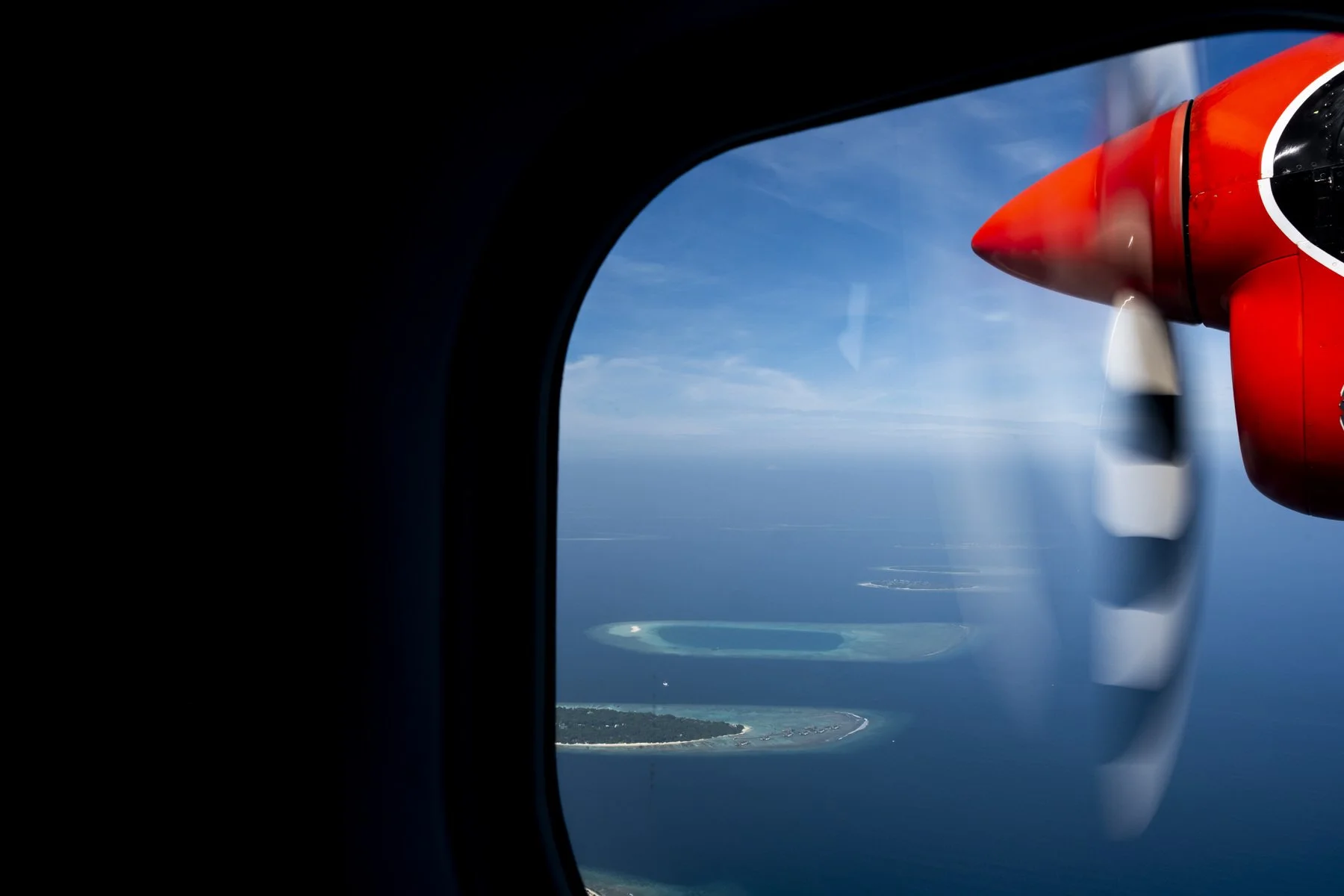
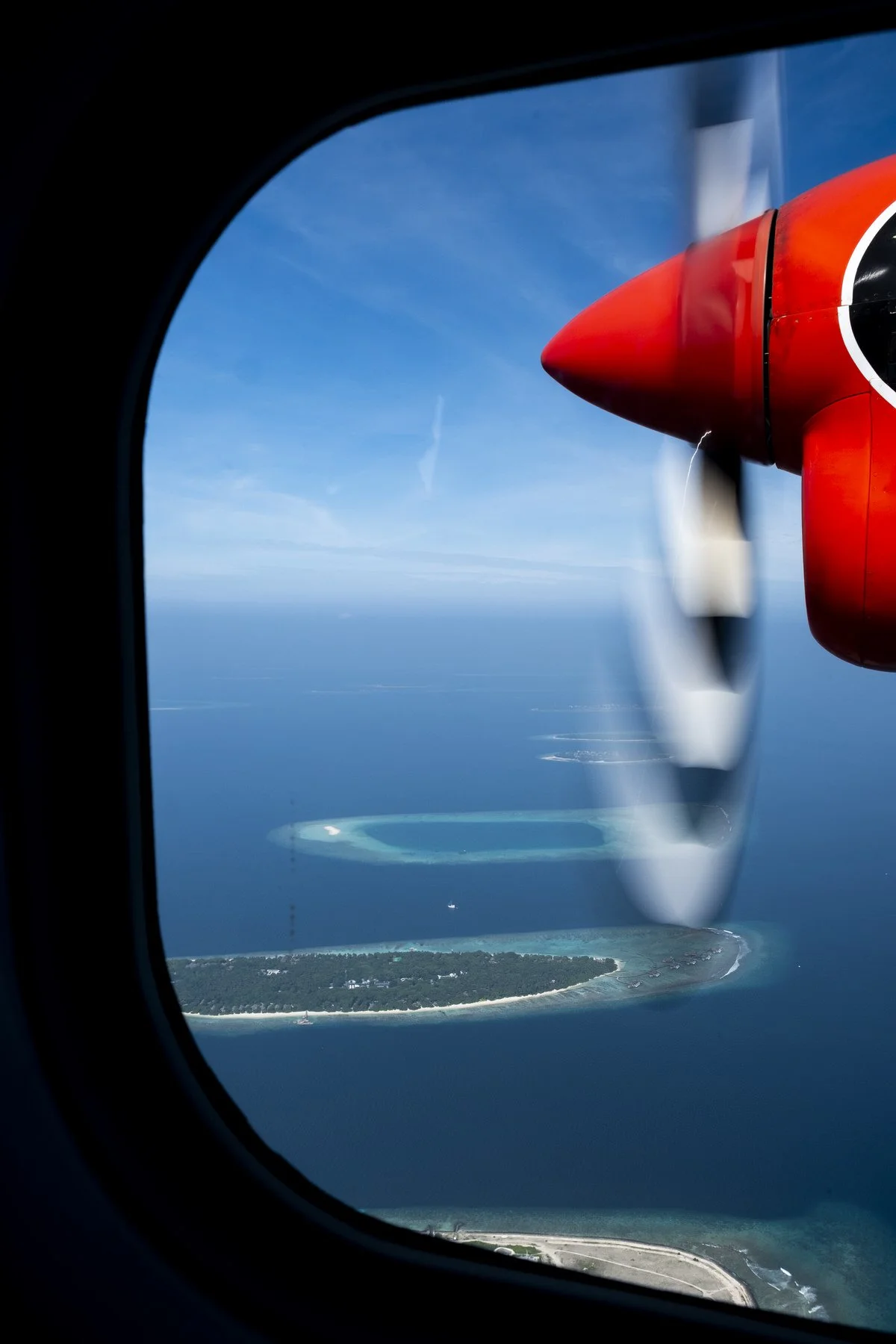
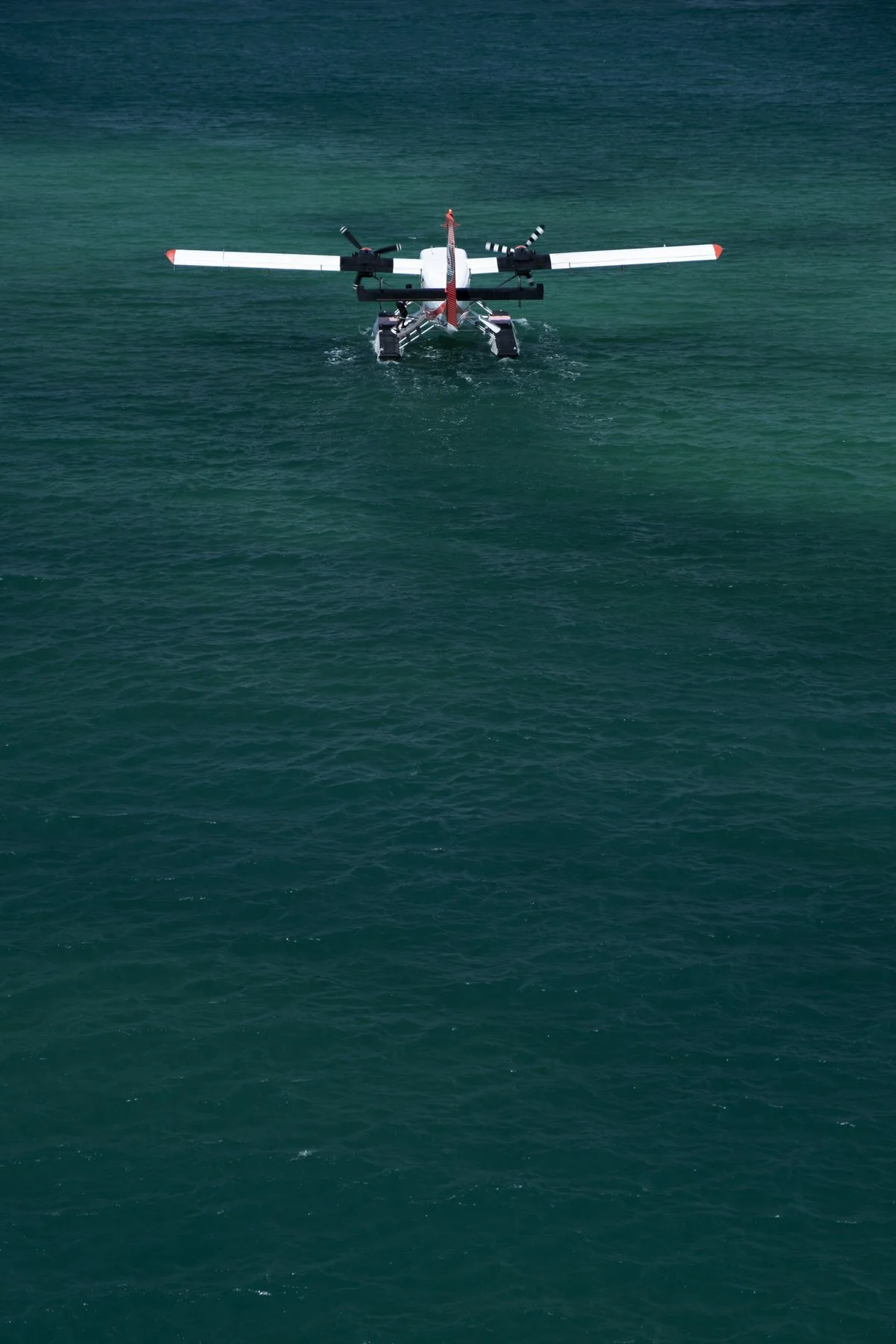
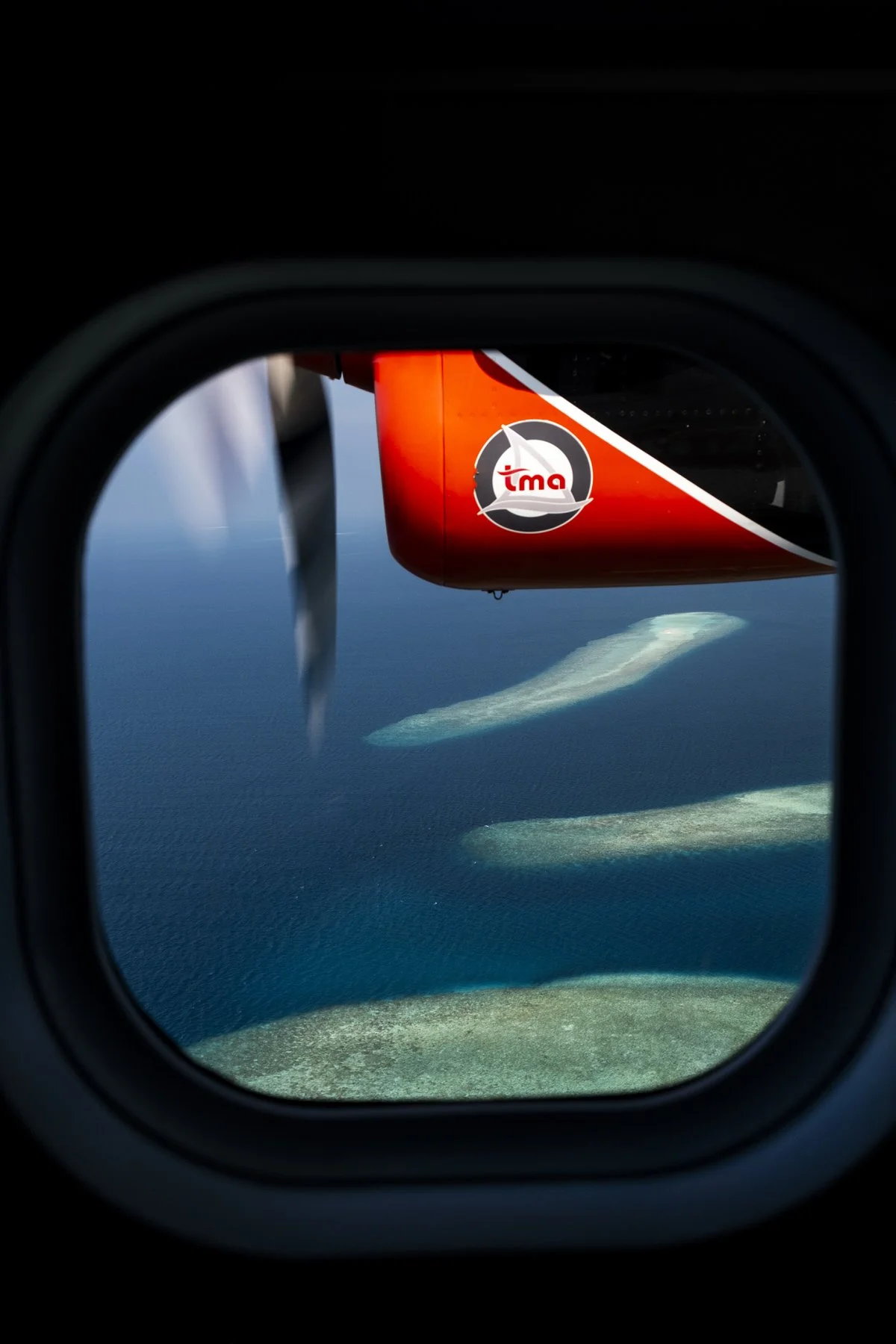
The assignment from my friends at Virtuoso sounded simple enough. I needed to photograph the iconic atolls from a seaplane. The reality of that task, though, meant spending a morning strapped into a tiny aircraft with headphones squeezing my skull, trying to photograph islands that appeared for roughly six seconds before disappearing behind a wing strut.
Aerial photography has a very specific cadence, especially in tropical locations. You spend long stretches staring out at empty ocean wondering if anything will happen, and then suddenly the plane banks hard and everyone onboard starts moving with quiet urgency. Heads press against windows. The cabin collectively transforms into a flock of anxious birds. I bring my camera up and place it against the window, doing all I can to minimize glare.
What I hadn’t anticipated was how much patience, how much trial and error would be involved. Every turn shifted the light. Each patch of cloud changed the color of the reefs below. Half the job became waiting for the angle, altitude, reflection, and light to briefly line up before rearranging itself again fifteen seconds later.
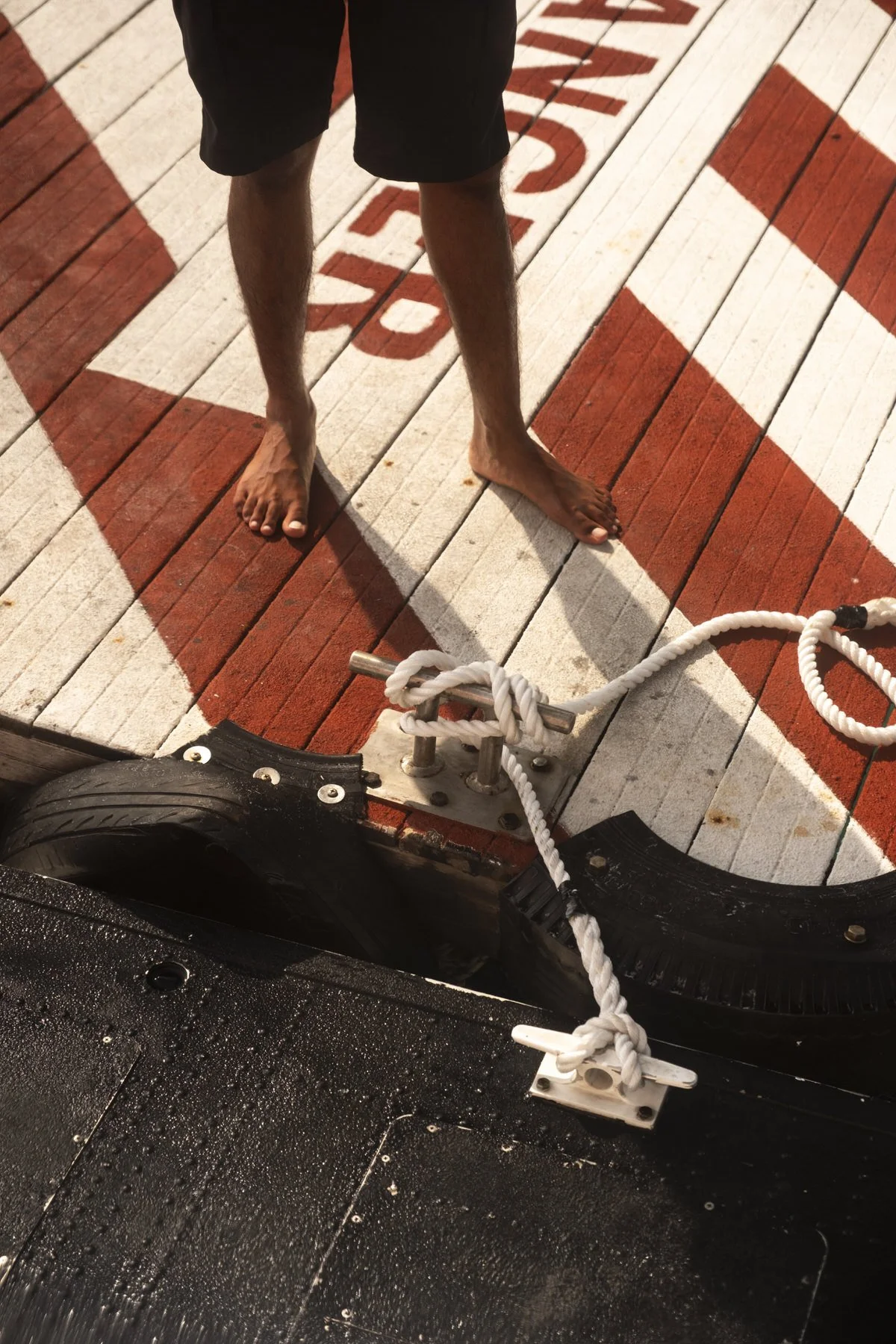
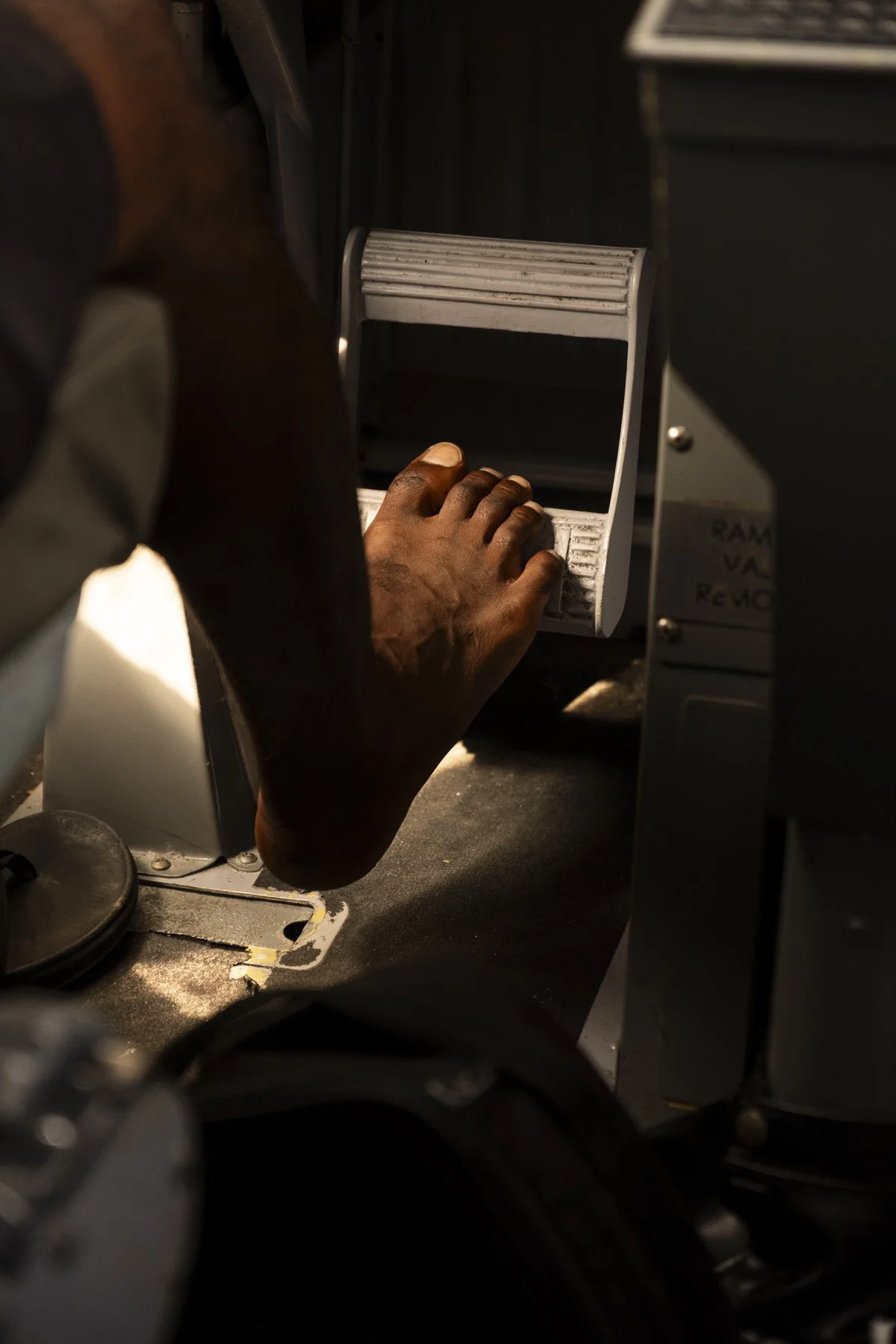
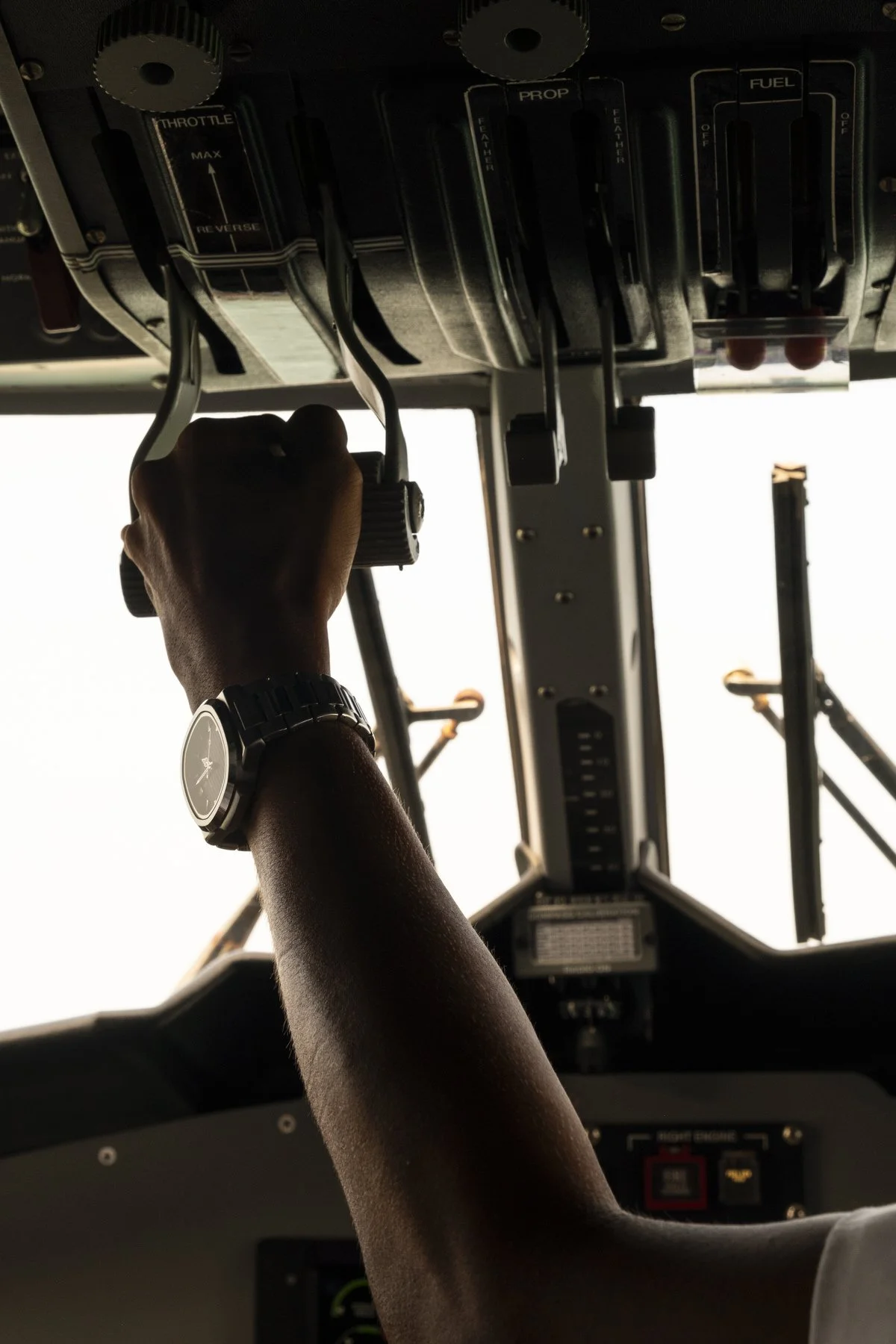
The pilots from Trans Maldivian Airways had clearly done this dance before. Barefooted, they soared above the atolls with calm, measured precision that made the flight feel oddly graceful. One slow pass would reveal nothing. Another, two minutes later, and suddenly the reef edges would light up perfectly beneath the plane.
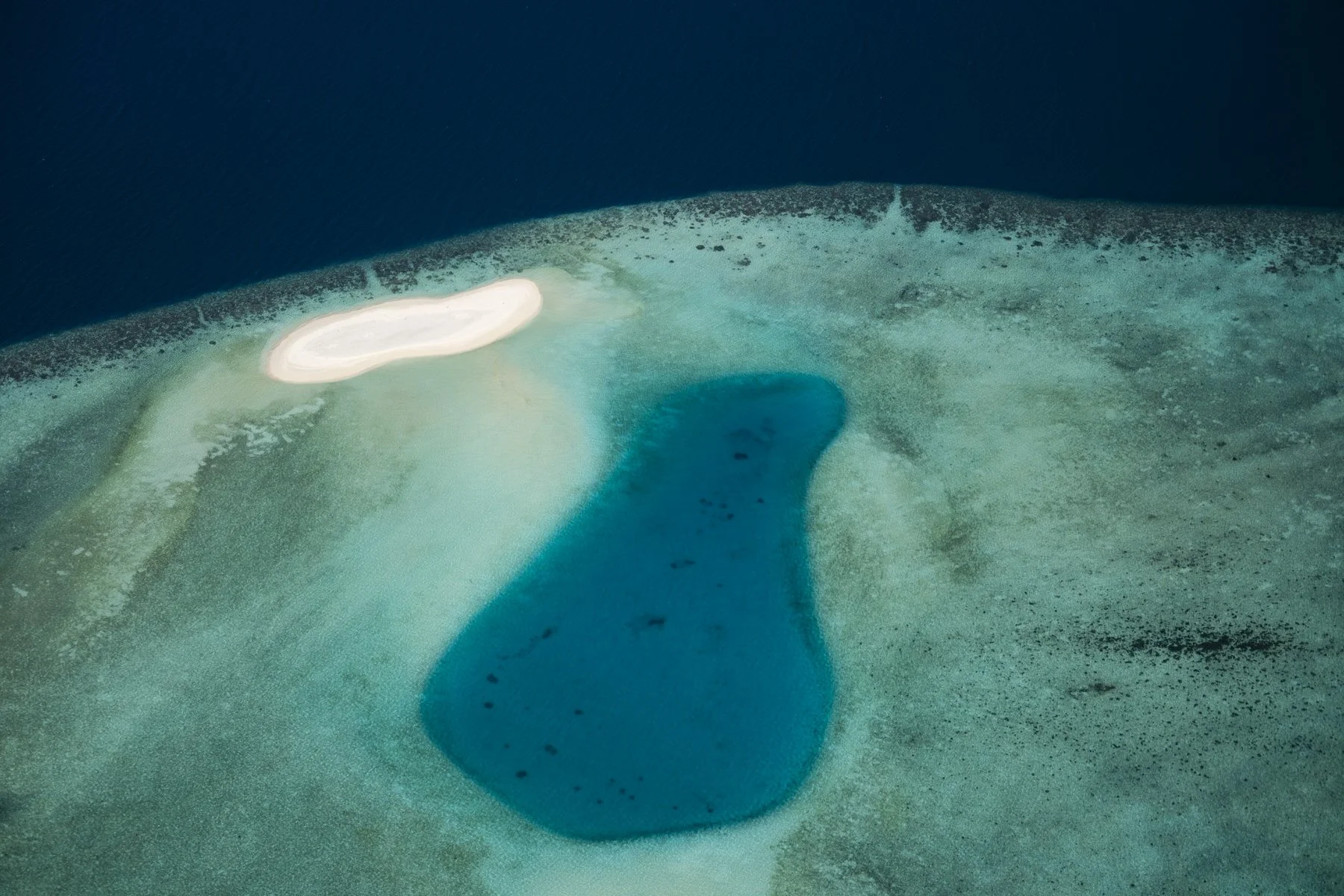
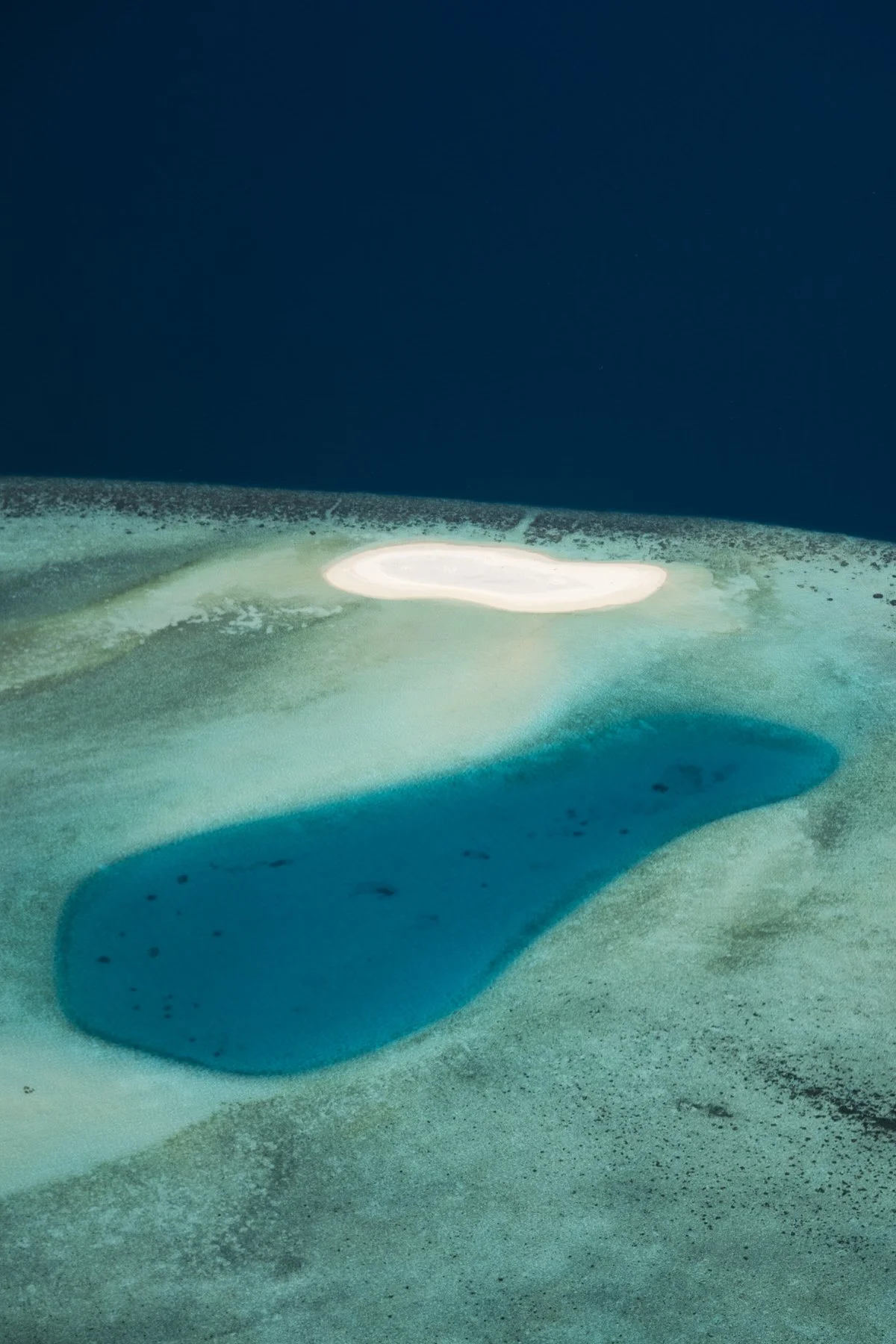
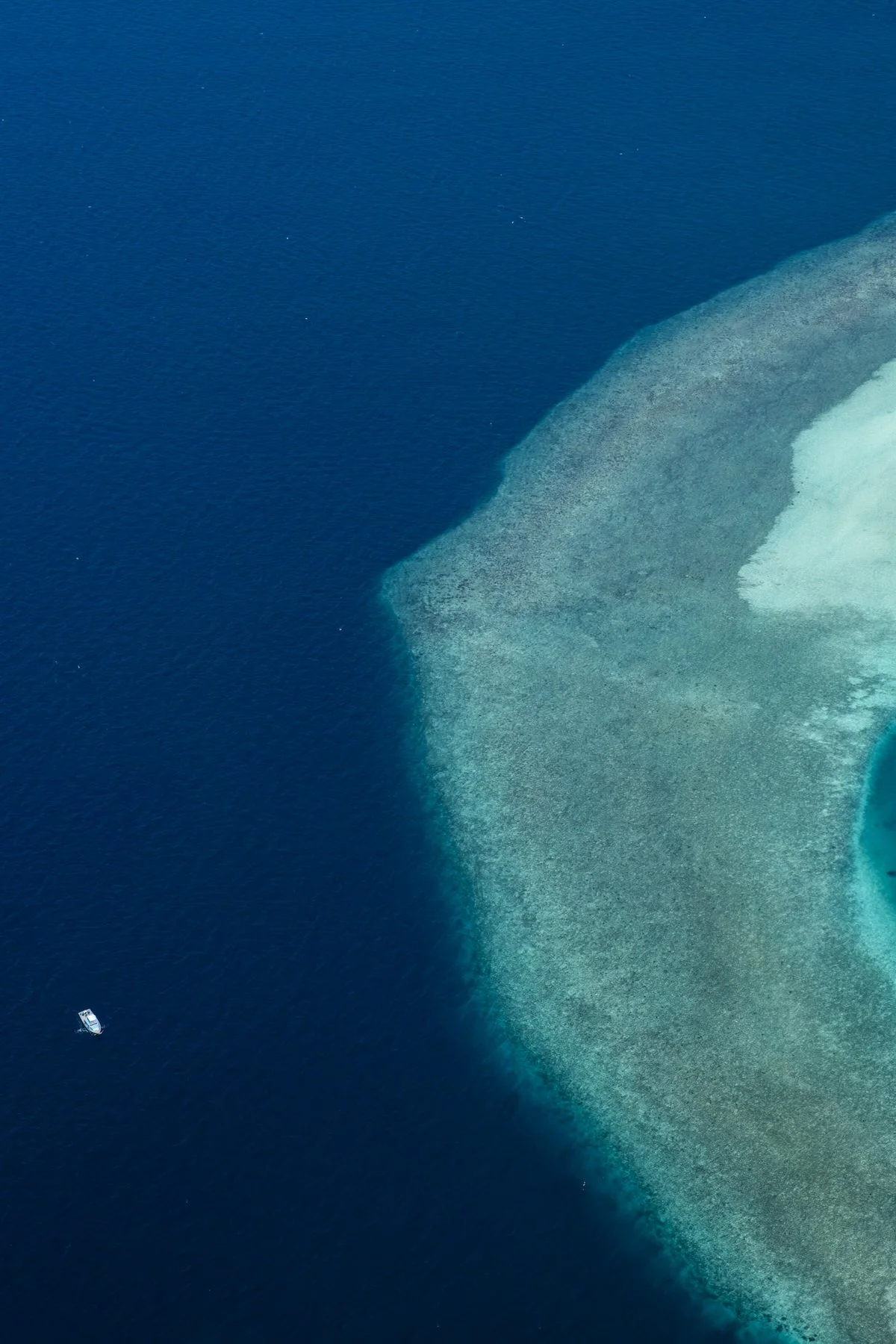
That unpredictability is probably what I enjoyed most. I couldn’t force photographs. It was as if the atolls themselves decided what they wanted to look like. Sometimes the ocean flattened into soft pastel gradients. Sometimes the surf lines turned the islands into graphic little symbols floating in dark blue space. Sometimes everything disappeared into glare.
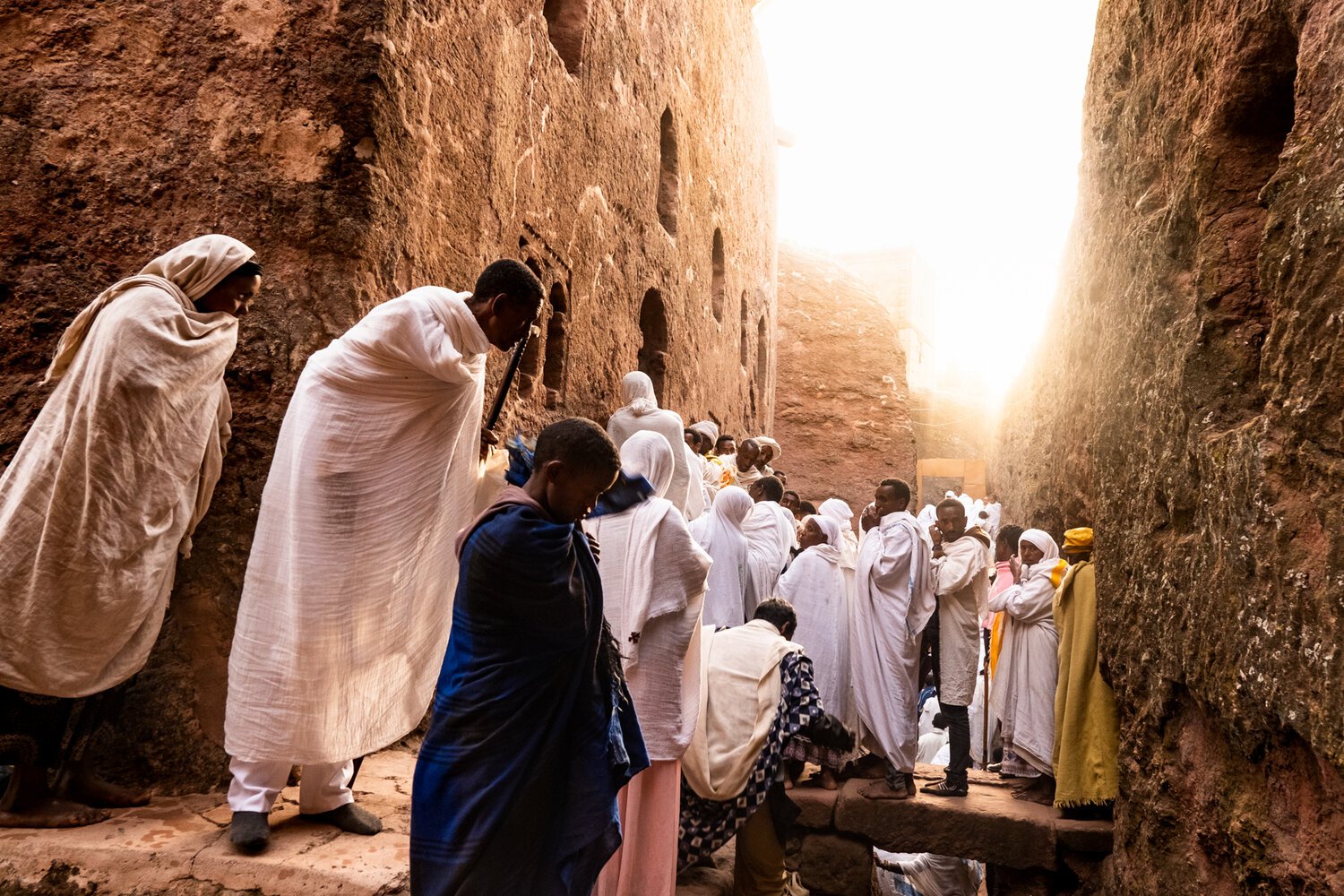
As a Tokyo-based travel photographer, I spend a lot of time working in dense environments. I am more than familiar working in crowded streets with layered architecture on fast-moving editorial assignments across Japan and Asia. But on a seaplane in the Maldives, I had an opposite experience. This was minimal. Visually quiet.
By the time the plane landed, I knew that my favorite frames weren’t going to be postcard-perfect. They would be more abstract. Isolated sandbars and odd shadows underwater. Tiny boats crossing huge empty sections of sea. Photographs that felt slightly off-balance in a way that would make land feel real again.
There are worse ways to spend a workday than flying low over the Indian Ocean photographing remote islands for a magazine cover. I was grateful to finally see and photograph a place I never thought I would be, even if the views stretch out below had occasionally looked like they had been generated by a computer.