I was sent to photograph a resale store. That, on its own, doesn’t sound like much of a visual assignment.
Bloomberg’s story was about the rise of 2nd Street and how secondhand shopping in Japan has moved from niche to mainstream, driven in part by inflation and shifting consumer behavior. The problem is that economic shifts don’t photograph easily. You can’t point a camera at “inflation outpacing wages.” You can’t frame “changing attitudes toward consumption.” What you get instead is a store. Racks of clothing. People browsing. Visually, photographing the state of the economy can seem very ordinary.
So the assignment required me to ask myself a question. How do you photograph a cultural shift using a space that looks, at first glance, like any other retail environment?
Understanding What’s Actually Changing
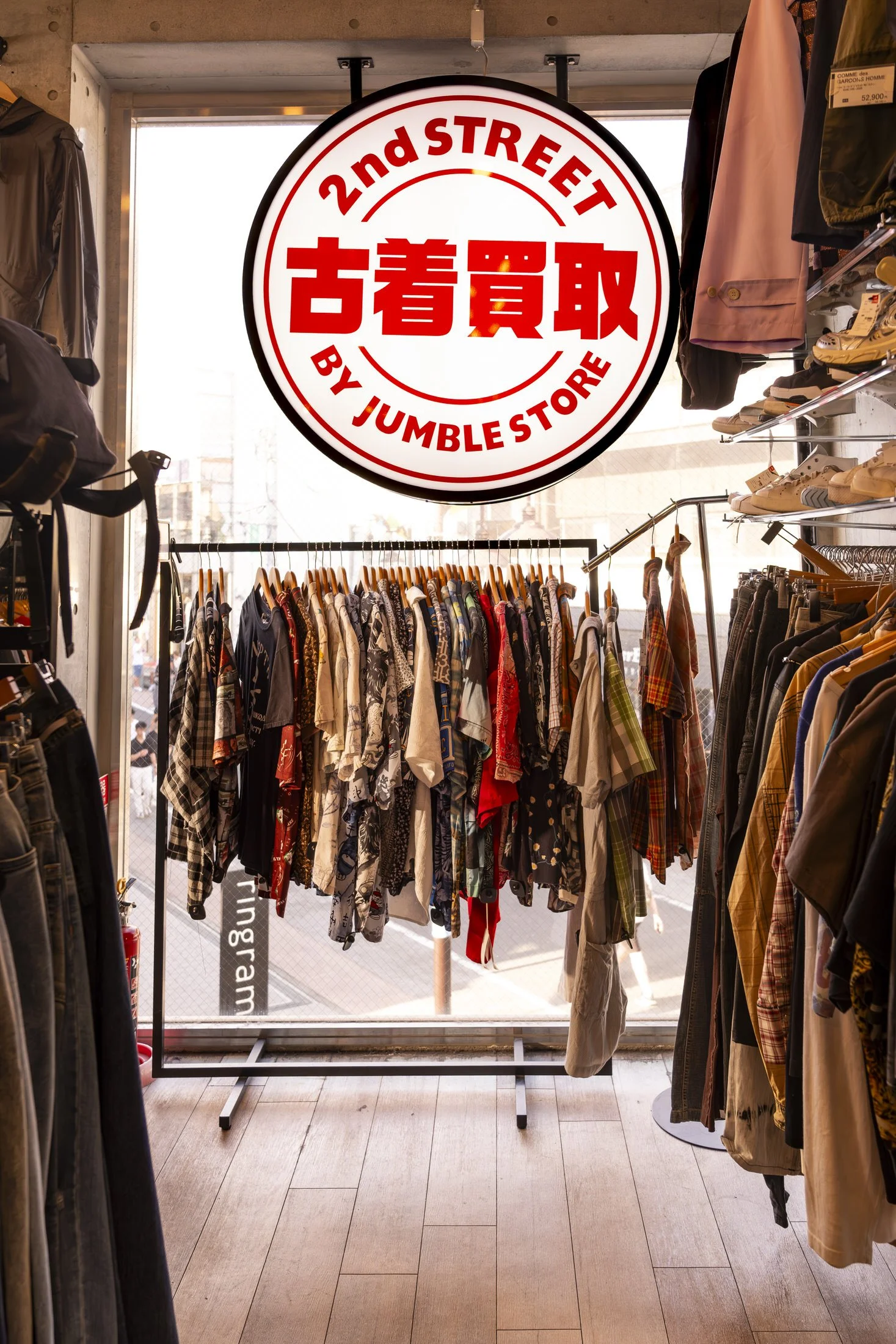
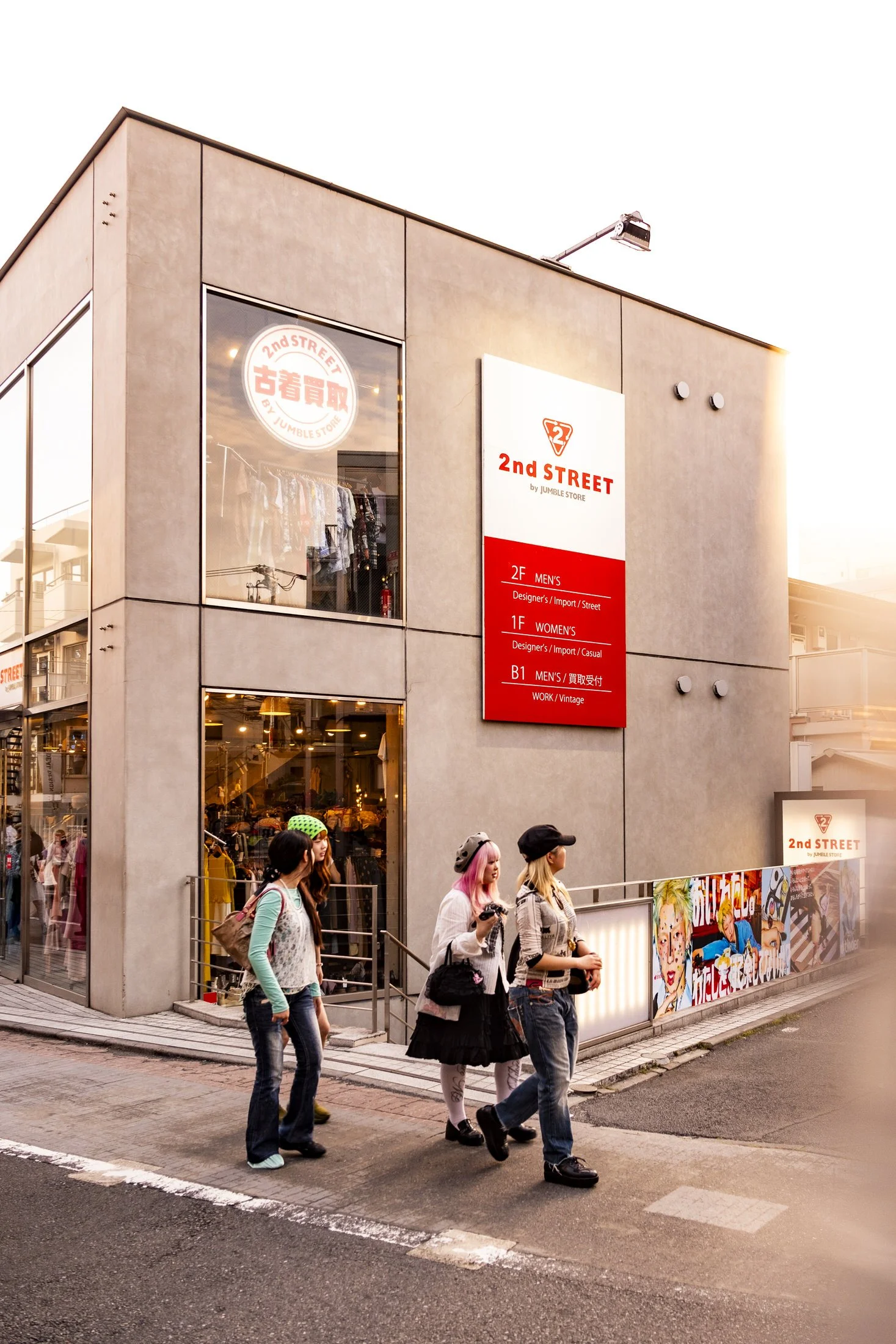
Japan has long been associated with newness. Clean lines. Pristine presentation. The idea that things should be owned in their best possible state. 2nd Street complicates that. 2nd Street’s Harajuku Flagship Store isn’t chaotic in the way many secondhand shops are elsewhere. It’s highly curated, organized, and intentional.
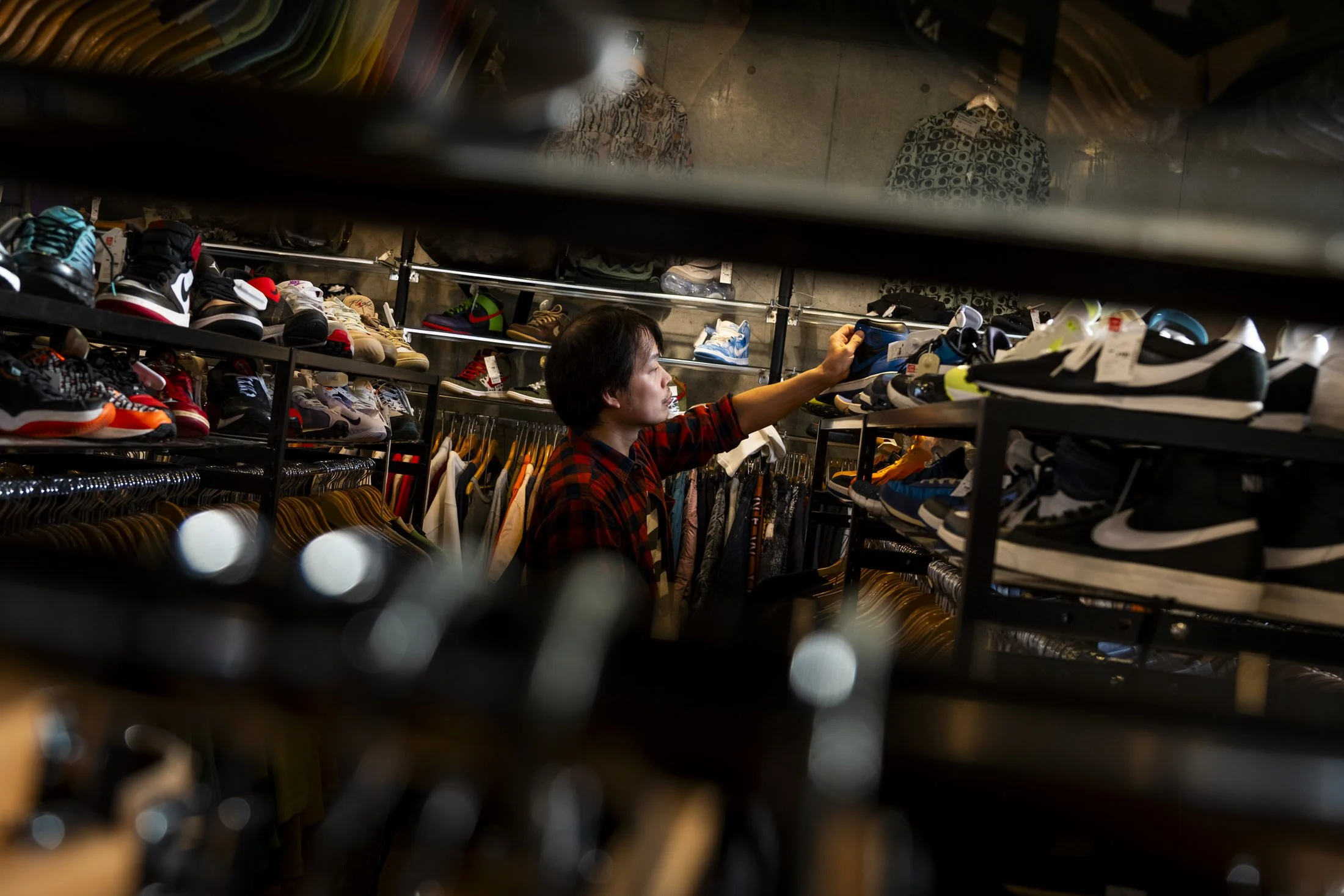
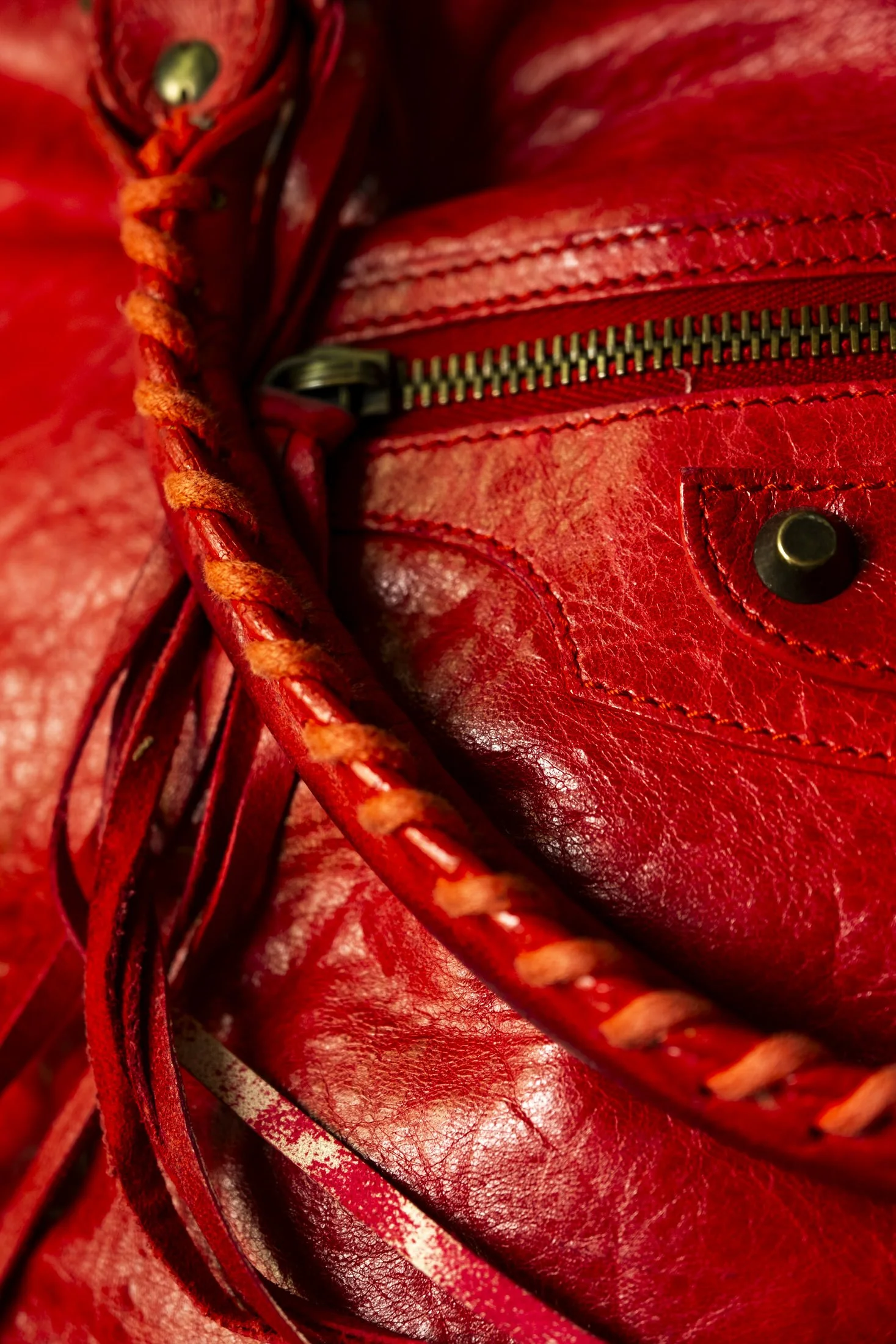
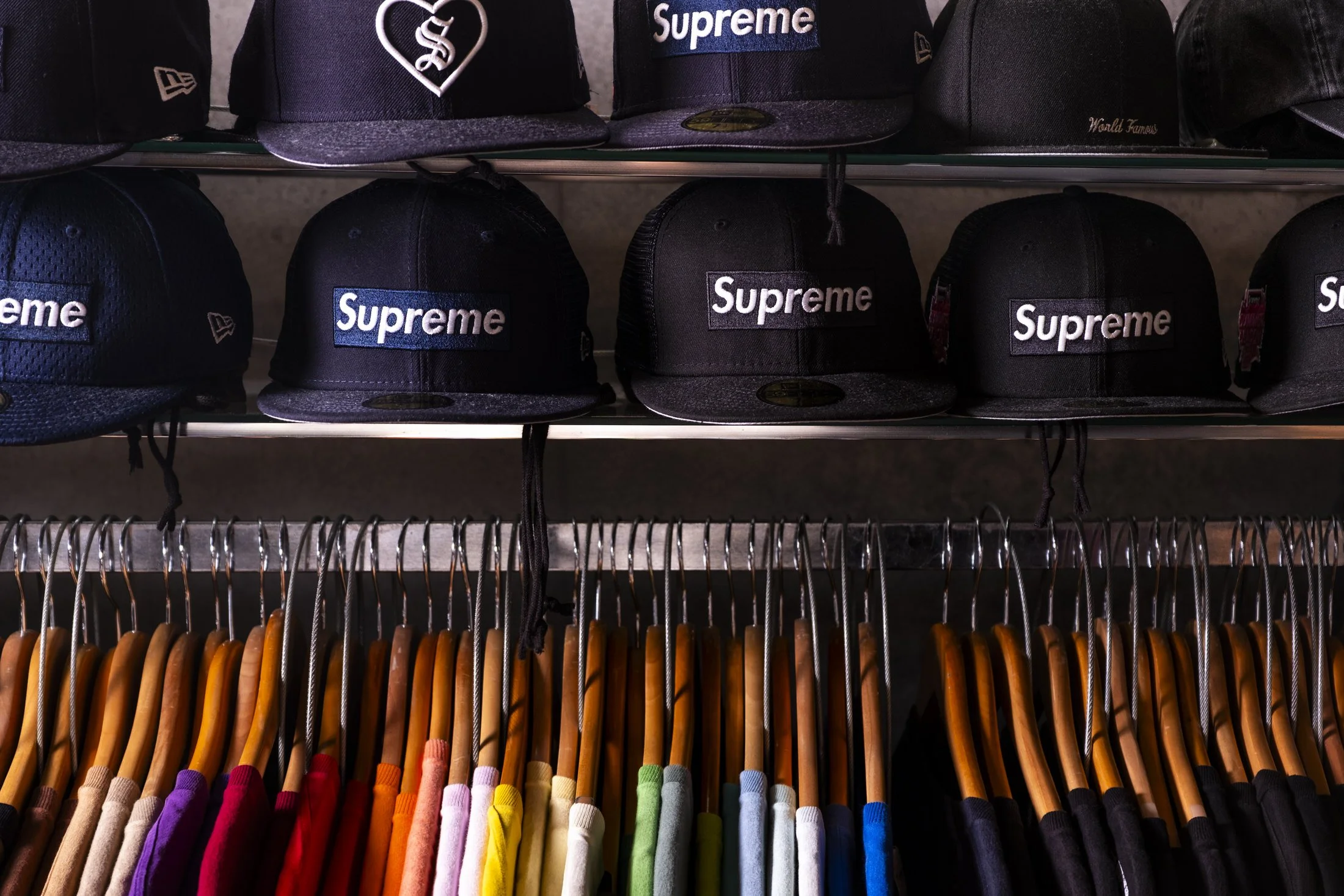
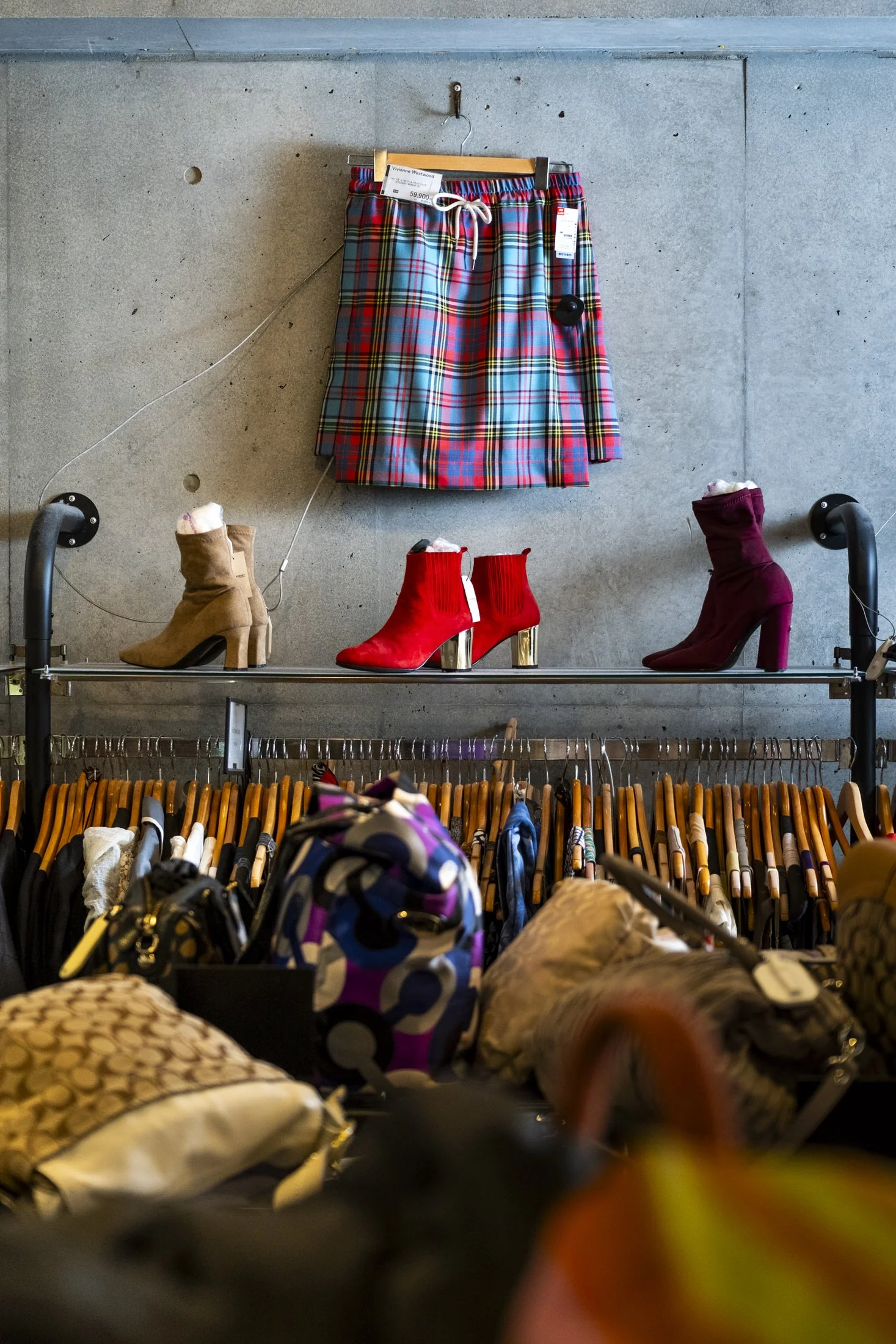
You’re looking at used goods presented with the clarity and confidence of new ones. Luxury brands sit next to streetwear. Sneakers that have already lived a life are displayed like they’re just beginning one. The story isn’t just in the individual items that you can scoop but in how they’re being recontextualized.
Building a Visual Strategy
If the story was about perception shifting, then the images needed to reflect that ambiguity. I avoided framing the store as either “thrift” or “luxury.” It’s both, depending on how you look at it.
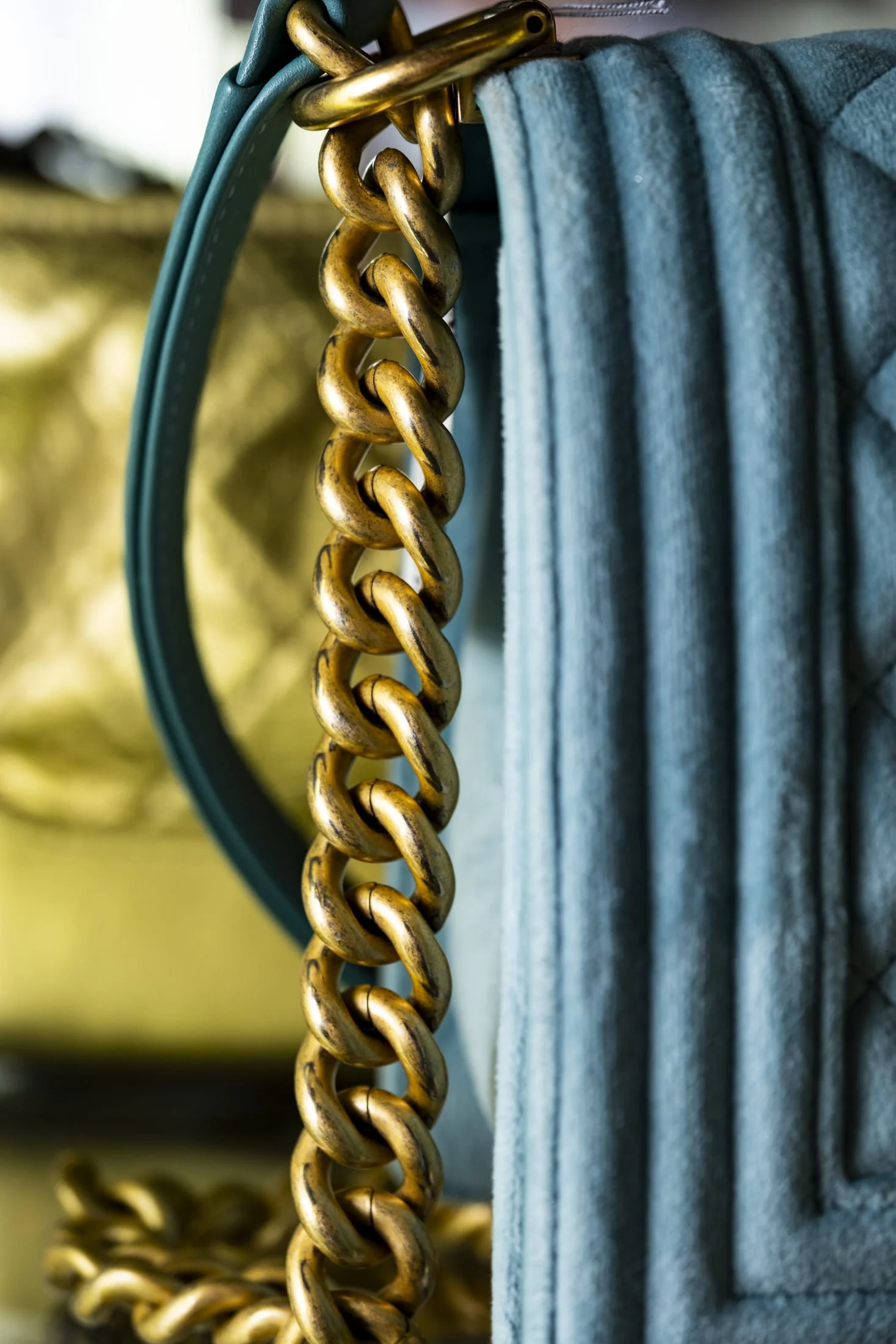
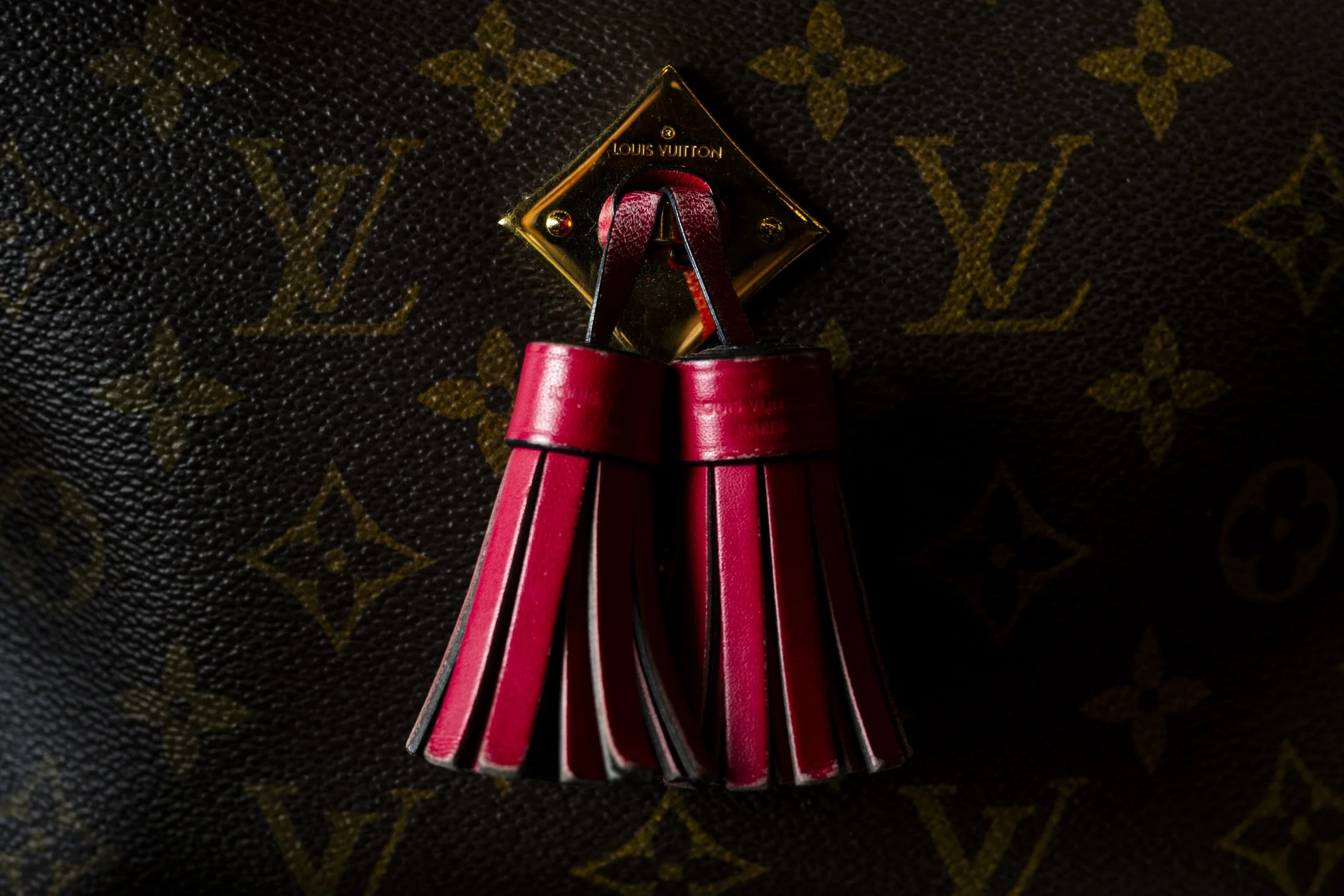
Wide shots would established scale (the rows of inventory stretched further than I had expected, suggesting volume and normalization rather than novelty). Closer frames would isolate details: a high-end bag with a barely visible crease, a pair of sneakers worn just enough to register history.
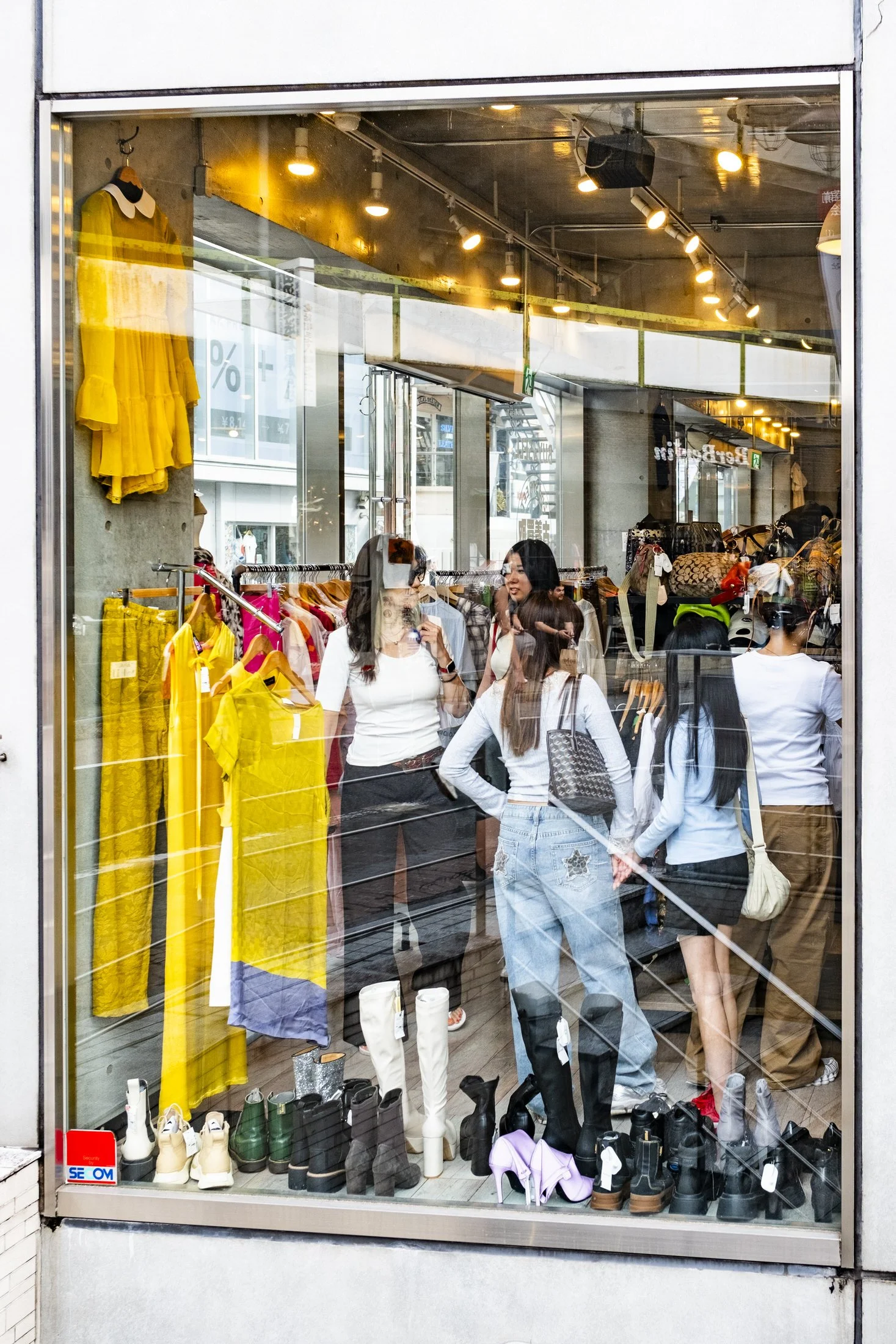
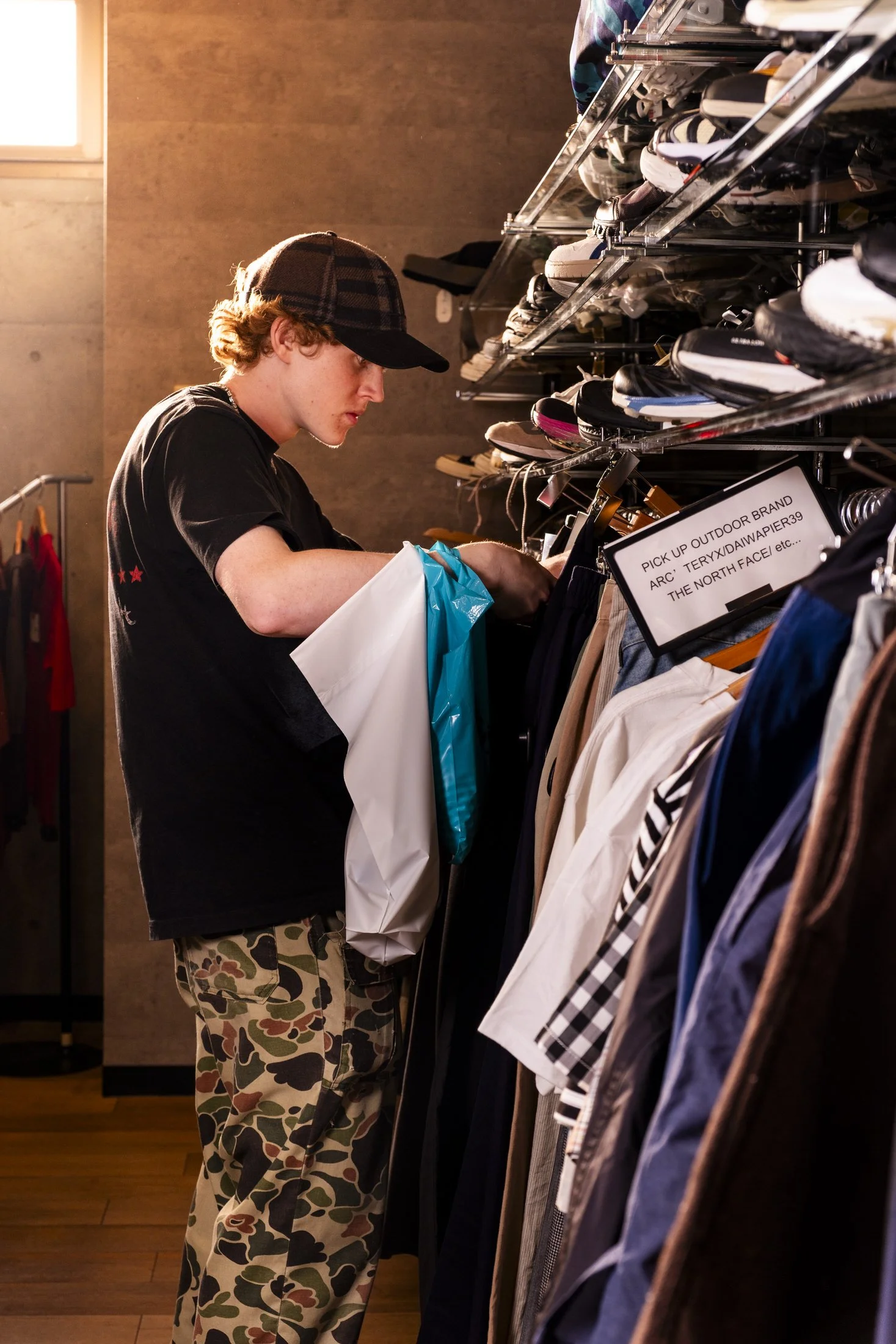
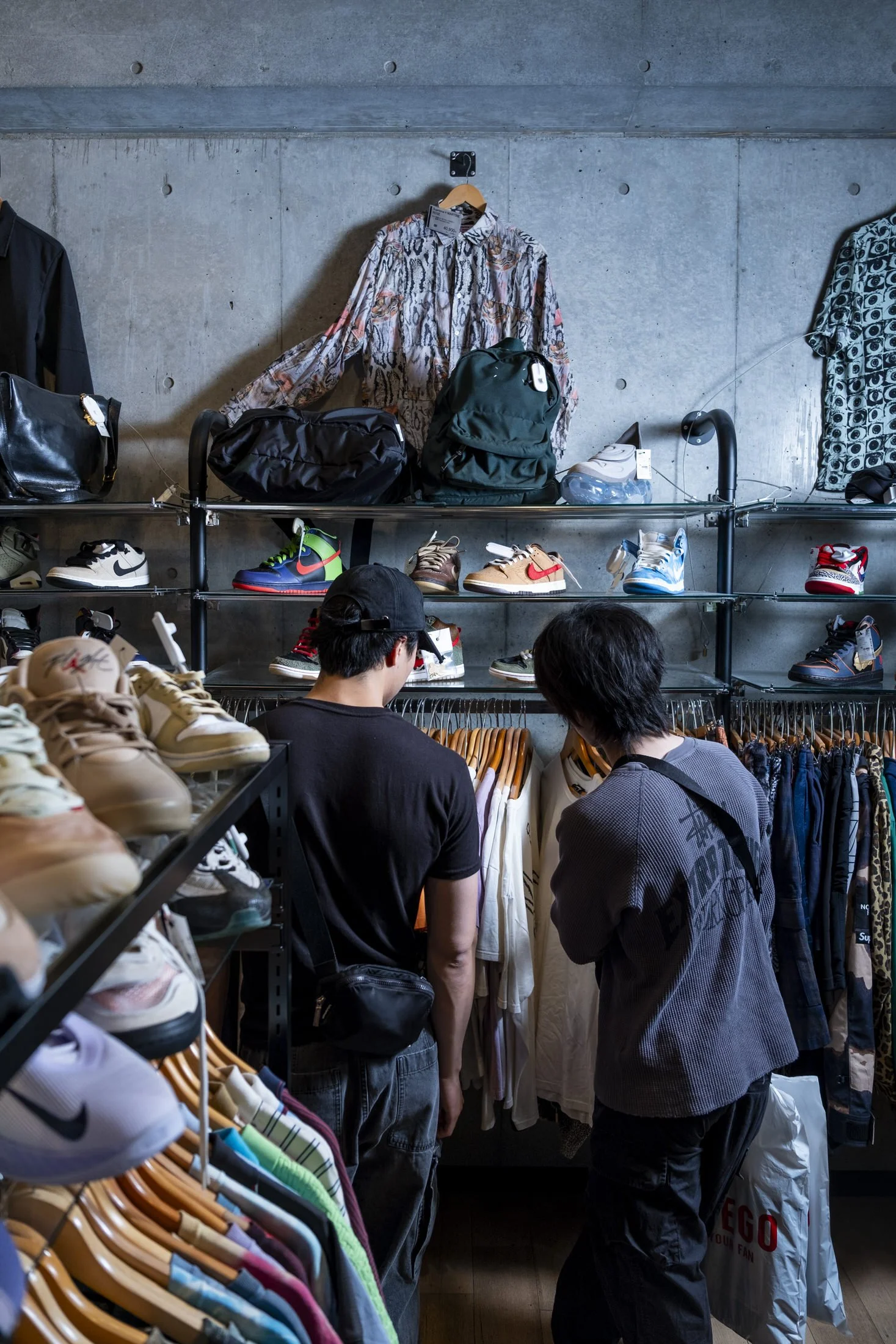
Including shoppers would be critical to include. Not in a documentary sense, but as indicators of behavior. Who is shopping here? How do they move through the space? Are they browsing casually, or inspecting items with the precision you’d expect in a boutique? The more ordinary the interaction felt, the more it reinforced the underlying shift.

Working Inside the Store
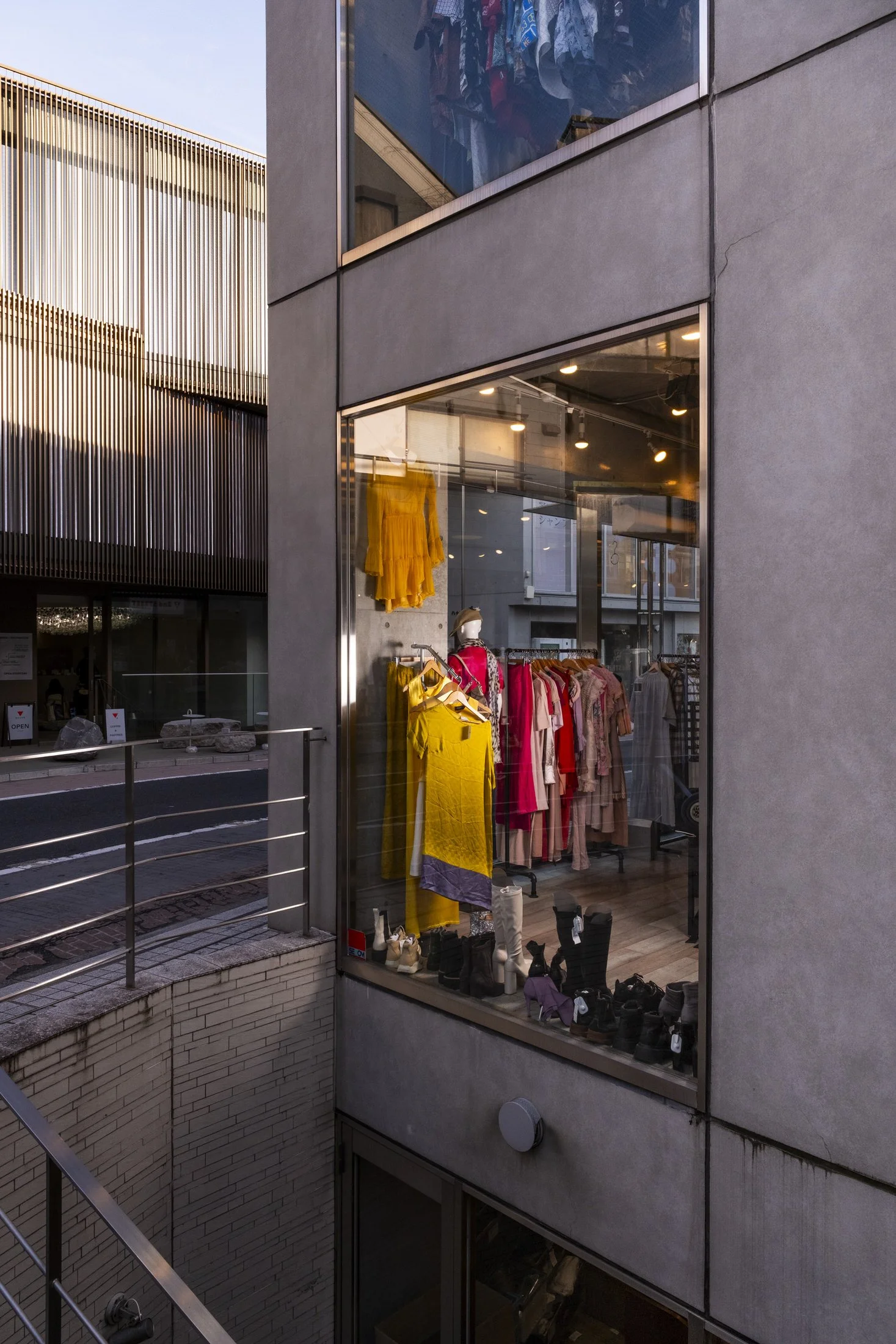
The flagship in Harajuku is visually dense but controlled. Lighting is dim but consistent. Displays are deliberate. It’s designed to feel approachable, not chaotic. That creates a different kind of constraint. There’s less visual noise to hide behind, which means composition had to carry more weight. Small decisions—how tightly to frame, where to let negative space sit, how to layer racks in the foreground and background started to define my approach. Reflections in mirrors and glass became useful again, not for aesthetics but for structure. They allowed multiple layers of the store to exist in a single frame, hinting at the volume and variety without needing to show everything directly.
The goal wasn’t to dramatize the space. It was to let it showcase itself.
The Balance Between Object and Idea
Much like photographing food within a city, there’s a connection between subject and context. Focus too much on individual items, and the images become about fashion. Focus too much on the environment, and they become about retail design. Neither fully tells the story.
The balance comes from letting the objects carry just enough specificity. I wanted to shoot recognizable brands with subtle signs of wear, while the environment provided the framework that explains why those objects matter now. It’s less about what’s being sold and more about how it’s being understood.
What the Assignment Became
By the end, the store itself felt like a proxy. Not just for resale, but for a broader shift in how value is assigned. Items aren’t defined solely by their newness anymore. Condition, rarity, and price all relate in ways that feel more fluid than they used to. That’s difficult to articulate visually without overexplaining. So the images lean on observation and small cues. On the way a space operates when no one is trying to prove a point. Because when a secondhand store feels this normal, this integrated into everyday shopping behavior, the story has already happened. The job is just to show it.
Are you searching for a Japan-based editorial photographer? If so, I’d love to hear more about your upcoming project. Reach out today to start a conversation about how I can help.